Search Product
Our Categories
Your Cart

BEST SELLER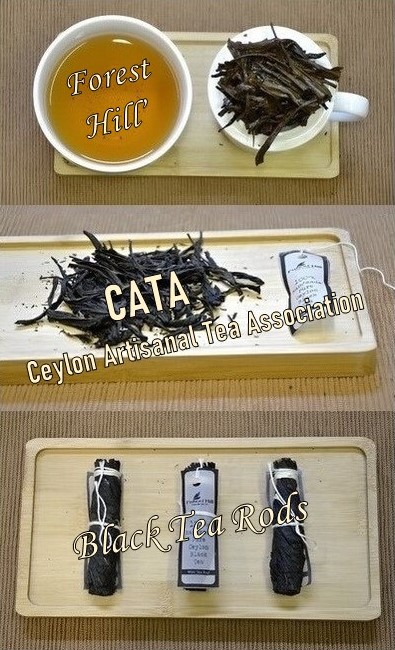





Forest Hill´s Wild Black Tea Rods
Original price was: RM 59.00.RM 49.00Current price is: RM 49.00.Last 4 products before the end of the campaign.
10W Nano IP65 Floodlight DC12V
Original price was: RM 199.00.Current price is: RM 179.00.Last 1 products before the end of the campaign.
6W PMMA Recessed Round Panel
Original price was: RM 59.00.Current price is: RM 49.00.Last 1 products before the end of the campaign.
500W Nano IP65 Floodlight
Original price was: RM 59.00.Current price is: RM 49.00.Last 2 products before the end of the campaign.
24W PMMA Recessed Round Panel
Original price was: RM 49.00.Current price is: RM 39.00.Last 2 products before the end of the campaign.
18W IP65 Slim 2ft Linear Light
Original price was: RM 49.00.Current price is: RM 39.00.50W LED 12V IP67 CV Driver
Original price was: RM 59.00.Current price is: RM 49.00.Last 5 products before the end of the campaign.
Description click picture(s) to enlarge Forest Hill´s Wild Black Tea Rods Forest Hill’s Wild Black Tea Rods are one of the exceptional creations of the tea garden of the same name, which specializes in the manual artisan processing of naturally cultivated tea in Sri Lanka. The resulting product combines nature and craftsmanship in a truly unique way, appealing to all senses. Amid lush rainforests, the Assamica-type tea trees thrive in their natural environment. Accordingly, the taproots resulting from the natural growth from seed and reaching up to 2 meters deep into the forest floor, bring all the wealth of ingredients offered by the local rainforest terroir into the tea leaves. The plucking for this special tea variety follows the 1 2 standard: only the delicate, unopened shoots, accompanied by the two youngest leaves and their associated stem segments, are carefully hand-picked. As part of the ensuing processing, 25 such units each are skillfully twisted together into a finger-thick, tight rod. Additionally, an extended final drying of the resulting “Wild Tea Rods” at comparatively low temperatures is particularly distinctive and flavor-enhancing. Finally, a string is used to hold the tea leaves together, turning the “rod” into the world’s only 100% natural “tea bag.” This, in turn, combines all the advantages of loose leaf tea with the convenience properties of a tea bag in an equally excellent and ingenious way. A dominating note of wild honey is a defining feature of the fascinating flavor profile of this extraordinary tea. It is a reflection of both the untamed nature of the tea trees and the unique processing methods used for this tea. In the deeper layers of the full-bodied and complex taste, the connoisseur can also expect a hint of overripe summer fruits, which further contributes to this tea’s uniqueness. Preparation of Forest Hill’s Wild Black Tea Rods To prepare, initially pour 1 Wild Black Tea Rod (approximately 6.5g) into a suitable vessel with 200ml of boiling water. Then let it steep for 3-5 minutes, depending on personal taste preferences. Forest Hill’s Wild Black Tea Rod can still be enjoyed for a second infusion. The resulting “bouquet” from the “rod” invites a thorough examination and serves as another evident proof of the high artisan level of this special tea artwork. For preparing smaller quantities of tea, the “rod” can alternatively be divided. To keep the tea leaves as intact as possible during this process, a technique of twisting the tea leaves in the opposite direction is recommended. Of course, it is more visually appealing to leave the rod intact during preparation! Forest Hill – The Tea Garden Forest Hill specializes in wild pickings from Warangala, an abandoned estate in the central highlands of Sri Lanka. With the fertile soils, cool climate, and abundant rainfall from the Sri Pada Mountains, the plantation enjoys an ideal terroir for tea cultivation. This, in turn, essentializes the characteristic aromas and flavors that make Forest Hill Tea truly exceptional. Another indispensable contribution to the quality of teas produced here is the focus on traditional cultivation and processing practices, sustainable practices in harmony with nature, and ensuring fair working conditions for the tea garden’s employees. Originally established during the colonial era by Scottish plantation owners who soon abandoned the project, the tea bushes during the following 130 years grew into a stock of 900 tea trees reaching heights of 12-15 meters, seamlessly blending into the natural forest. Skillful tea pluckers climb these trees to harvest the delicate two leaves and a bud from their treetops. The unique flavor of this rare wild tea arises from the nutrients absorbed through the deep taproots reaching into the various layers of the forest floor. To ensure true artisan quality and showcase the unique aromas and flavors of the terroir, only small batches of tea leaves undergo meticulous processing encompassing withering, rolling, oxidation, and drying. Forest Hill is a founding member of the CATA (Ceylon Artisanal Tea Association), established to promote the unique terroirs, techniques, and flavors of handmade teas in Sri Lanka and to increase the income of the small-scale farmers and workers who produce them. CATA (Ceylon Artisanal Tea Association) CATA is a non-profit organization established in 2016 to promote and support the production of artisanal teas in Sri Lanka and to educate consumers about the unique qualities of these teas. The association represents a group of artisan tea producers specializing in high-quality, single-origin Ceylon teas. The members work closely together to ensure sustainable and ethical practices for growing and processing their teas. In addition, the association also offers marketing and branding support to help its members reach a wider audience. Current members of the group include the renowned tea gardens Amba, Kaley, Monkeytail, Forest Hill, and Ebony Springs. For more CATA teas @ Siam Tea Shop follow the link below: CATA Teas @ Siam Tea Shop And here’s a link to a video introducing CATA as an association along with its member tea gardens: https://www.facebook.com/CATACeylon/videos/460977588534963?locale=de_DE Sri Lanka (Ceylon) Tea History – An Introduction The history of tea cultivation in Sri Lanka dates back to the 19th century. Sri Lanka then went by the name of Ceylon and was under British colonial rule. Initially, coffee was the main export crop until a fungus disease called coffee rust devastated coffee plantations in the 1860s. As a result of that, the British had to look for a replacement crop. They eventually decided on tea, which was already successfully cultivated in India. As a result, in 1867, James Taylor planted the first tea bushes on an estate in the Kandy region. Subsequently, tea production quickly became one of Sri Lanka’s most important economic sectors. During the 19th century, tea surpassed coffee as the main export product. At the same time, the island became one of the world’s largest tea producers. The British established tea plantations in the hill country and brought Tamil workers from India to work on the plantations. Despite major challenges such as low prices, labor shortages, and political unrest, steady growth characterized the following development of the tea industry in Sri Lanka. After Sri Lanka gained its independence from Britain in 1948, the government nationalized the tea industry. It took control of the large estates and created a cooperative system for small farmers. In the following decades, the industry faced new challenges, such as changing market demands and competition from other tea-producing countries. Today, Sri Lanka is famous for its high-quality teas, appreciated for their unique taste and aroma. Tea cultivation and processing remain an important part of Sri Lanka’s economy and cultural heritage. Nevertheless, the development of a market for artisan teas from smaller producers and family businesses is still relatively new. A beautiful example of such a tea is Forest Hill’s Warangala Wild Black! Related