Search Product
Our Categories
Your Cart

BEST SELLER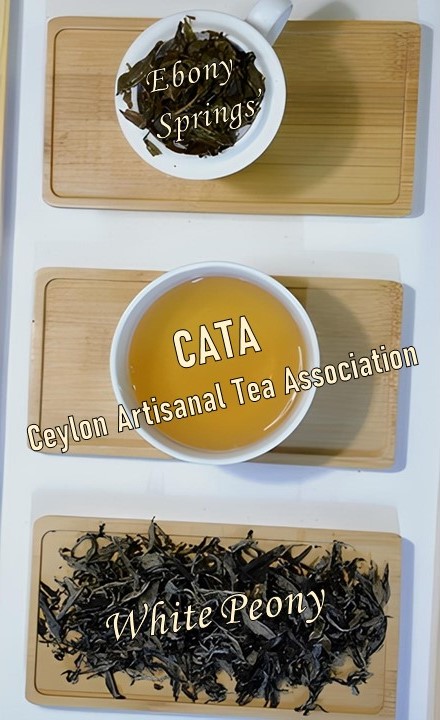

Ebony Springs White Peony White Tea
Original price was: RM 59.00.RM 49.00Current price is: RM 49.00.Last 4 products before the end of the campaign.
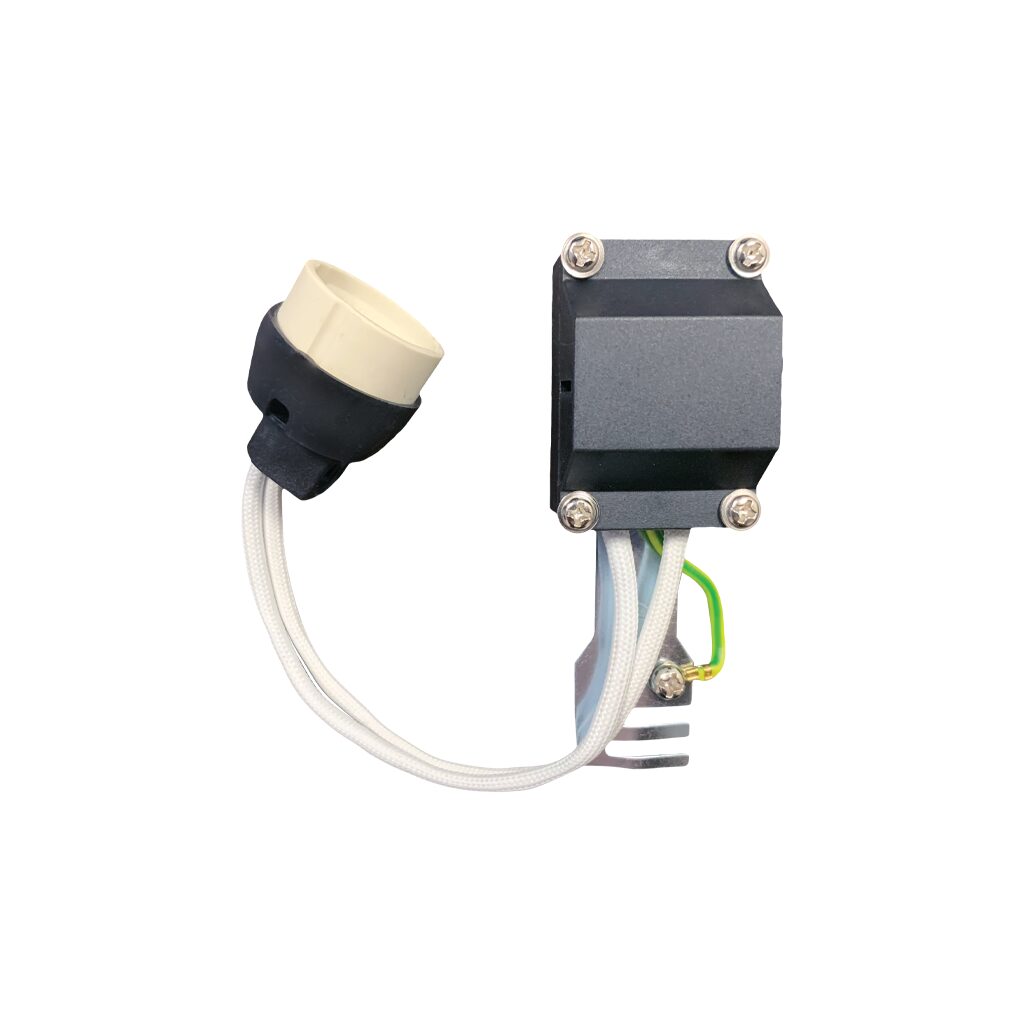
CNC Aluminium Downlight Fixture Anti Glare Fixed Silver – AS828
Original price was: RM 199.00.Current price is: RM 179.00.Last 1 products before the end of the campaign.
30W LED 12V IP20 CV Driver
Original price was: RM 59.00.Current price is: RM 49.00.Last 1 products before the end of the campaign.
30W LED 24V IP20 CV Driver
Original price was: RM 59.00.Current price is: RM 49.00.Last 2 products before the end of the campaign.
60W 600×1200 Backlit LED Panel
Original price was: RM 49.00.Current price is: RM 39.00.Last 2 products before the end of the campaign.
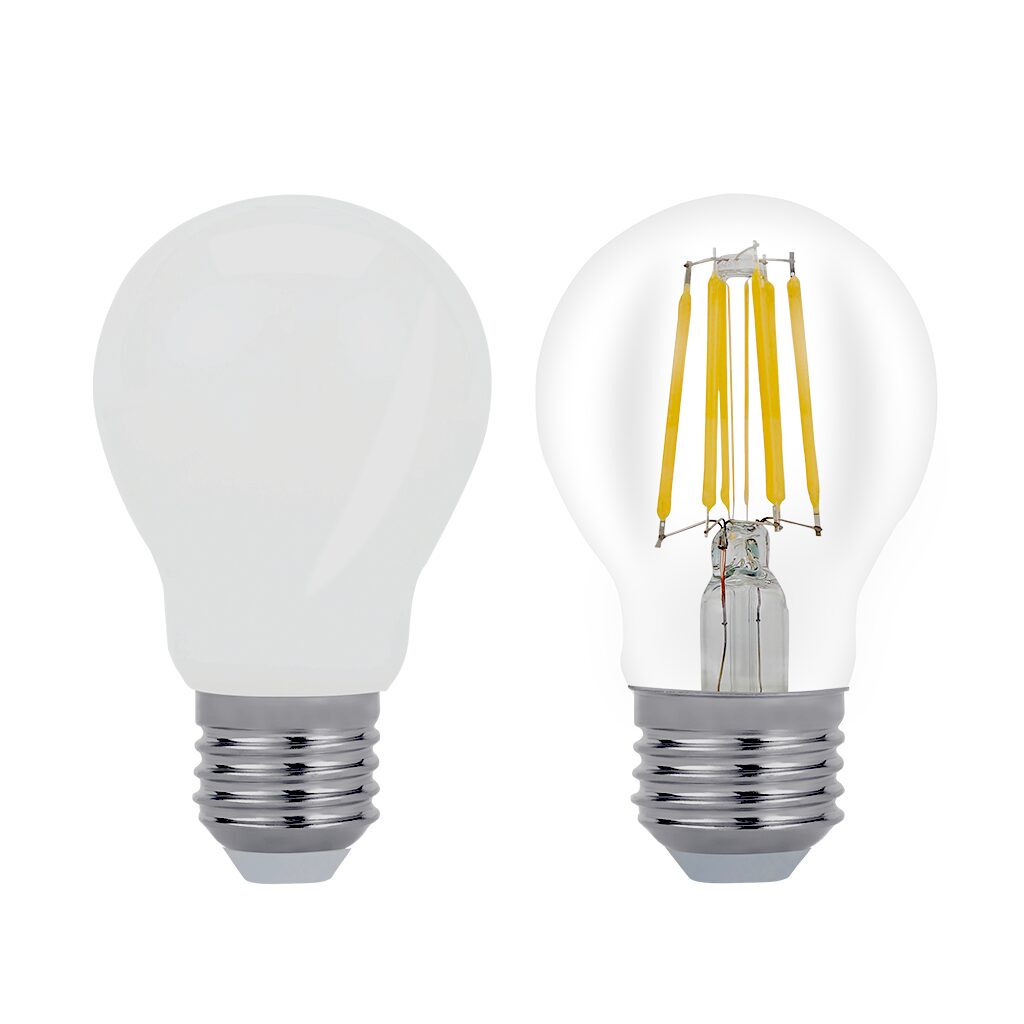
4W LED Filament Candle
Original price was: RM 49.00.Current price is: RM 39.00.18W 4ft T8 Combat LED Glass Tube
Original price was: RM 59.00.Current price is: RM 49.00.Last 5 products before the end of the campaign.
Description Ebony Springs White Peony Weißer Tee Ebony Springs White Peony is a white tea with a “2 1” plucking standard from Bernard Holsinger’s tea garden of the same name. This handcrafted white tea offers a quality that doesn’t need to hide from the finest representatives of its great Chinese counterpart. The high standards of plucking and processing are reflected in the tea’s intense, full-bodied, and harmonious flavor profile. In this tea, pronounced sweetness elegantly combines with a complex composition of floral, woody, and earthy notes. The crystal-clear, amber-colored cup captivates the senses with a comforting and vegetal bouquet, accompanied by a thick, oily texture that adds a touch of luxury to every sip. Thus, Ebony Springs White Peony becomes a testament to the dedication of its producer and his small tea garden, which focuses on sustainable cultivation and processing of truly exceptional handmade teas. Enrich your tea journey with this remarkable product of true passion and enjoy a tea that will be remembered. click picture(s) to enlarge Preparation of Ebony Springs White Peony First, steep 2-3g of Ebony Springs White Peony per 100ml in a suitable vessel with boiling hot water after allowing it to cool down. Then, let it steep for 1-2 minutes, depending on your personal taste preferences. Afterwards, a second infusion, slightly shorter in duration, is just as satisfying as the first. And even a third infusion, steeped slightly longer, keeps the aftertaste alive and wraps the palate of the drinker like a soothing film. In this way, Ebony Springs White Peony accompanies us far beyond the actual drinking experience. Ebony Springs – The Tea Garden Ebony Springs Tea Garden is located in the lower region of Nuwara Eliya, near Kandy, Nuwara Eliya, and Adams Peak. About 102 kilometers from Colombo, the capital of Sri Lanka, this tea garden stands out for its particularly artisanal tea-making process. It is part of the growing movement of handmade teas in Sri Lanka led by the Ceylon Artisanal Tea Association (CATA). The founder of Ebony Springs, Bernard Holsinger, is considered one of the pioneers of handmade teas. After working on leading large estates in the western high-grown district until 2003, he dreamed of establishing a small tea garden with its own processing unit that would provide tea lovers from around the world with homemade tea experiences. Finally, Holsinger bought 2 hectares of weed-overgrown land available at an affordable price in southern Nuwara Eliya. After removing the weeds, he planted it with the TRI2043 cultivar, famous for its purple leaves with shiny, large, and hairy buds, which are often used to make white “Silver Tips”. In addition to producing handmade artisan teas, the tea garden offers comfortable accommodations for solo travelers, couples, and families, as well as homemade Sri Lankan and Western cuisine. After providing relevant training to local villagers on the production of the garden’s signature tea varieties, it now produces about 15 to 20 kg of handmade artisan tea per month. In April 2022 Ebony Springs joined the CATA and thereby Sri Lanka’s growing network of artisanal tea producers. CATA (Ceylon Artisanal Tea Association) CATA is a non-profit organization established in 2016 to promote and support the production of artisanal teas in Sri Lanka and to educate consumers about the unique qualities of these teas. The association represents a group of artisan tea producers specializing in high-quality, single-origin Ceylon teas. The members work closely together to ensure sustainable and ethical practices for growing and processing their teas. In addition, the association also offers marketing and branding support to help its members reach a wider audience. Current members of the group include the renowned tea gardens Amba, Kaley, Monkeytail, Forest Hill, and Ebony Springs. For more CATA teas @ Siam Tea Shop follow the link below: CATA Teas @ Siam Tea Shop And here’s a link to a video introducing CATA as an association along with its member tea gardens: https://www.facebook.com/CATACeylon/videos/460977588534963?locale=de_DE Sri Lanka (Ceylon) Tea History – An Introduction The history of tea cultivation in Sri Lanka dates back to the 19th century. Sri Lanka then went by the name of Ceylon and was under British colonial rule. Initially, coffee was the main export crop until a fungus disease called coffee rust devastated coffee plantations in the 1860s. As a result of that, the British had to look for a replacement crop. They eventually decided on tea, which was already successfully cultivated in India. As a result, in 1867, James Taylor planted the first tea bushes on an estate in the Kandy region. Subsequently, tea production quickly became one of Sri Lanka’s most important economic sectors. During the 19th century, tea surpassed coffee as the main export product. At the same time, the island became one of the world’s largest tea producers. The British established tea plantations in the hill country and brought Tamil workers from India to work on the plantations. Despite major challenges such as low prices, labor shortages, and political unrest, steady growth characterized the following development of the tea industry in Sri Lanka. After Sri Lanka gained its independence from Britain in 1948, the government nationalized the tea industry. It took control of the large estates and created a cooperative system for small farmers. In the following decades, the industry faced new challenges, such as changing market demands and competition from other tea-producing countries. Today, Sri Lanka is famous for its high-quality teas, appreciated for their unique taste and aroma. Tea cultivation and processing remain an important part of Sri Lanka’s economy and cultural heritage. Nevertheless, the development of a market for artisan teas from smaller producers and family businesses is still relatively new. A beautiful example of such a tea is our Ebony Springs White Peony White Tea! Related