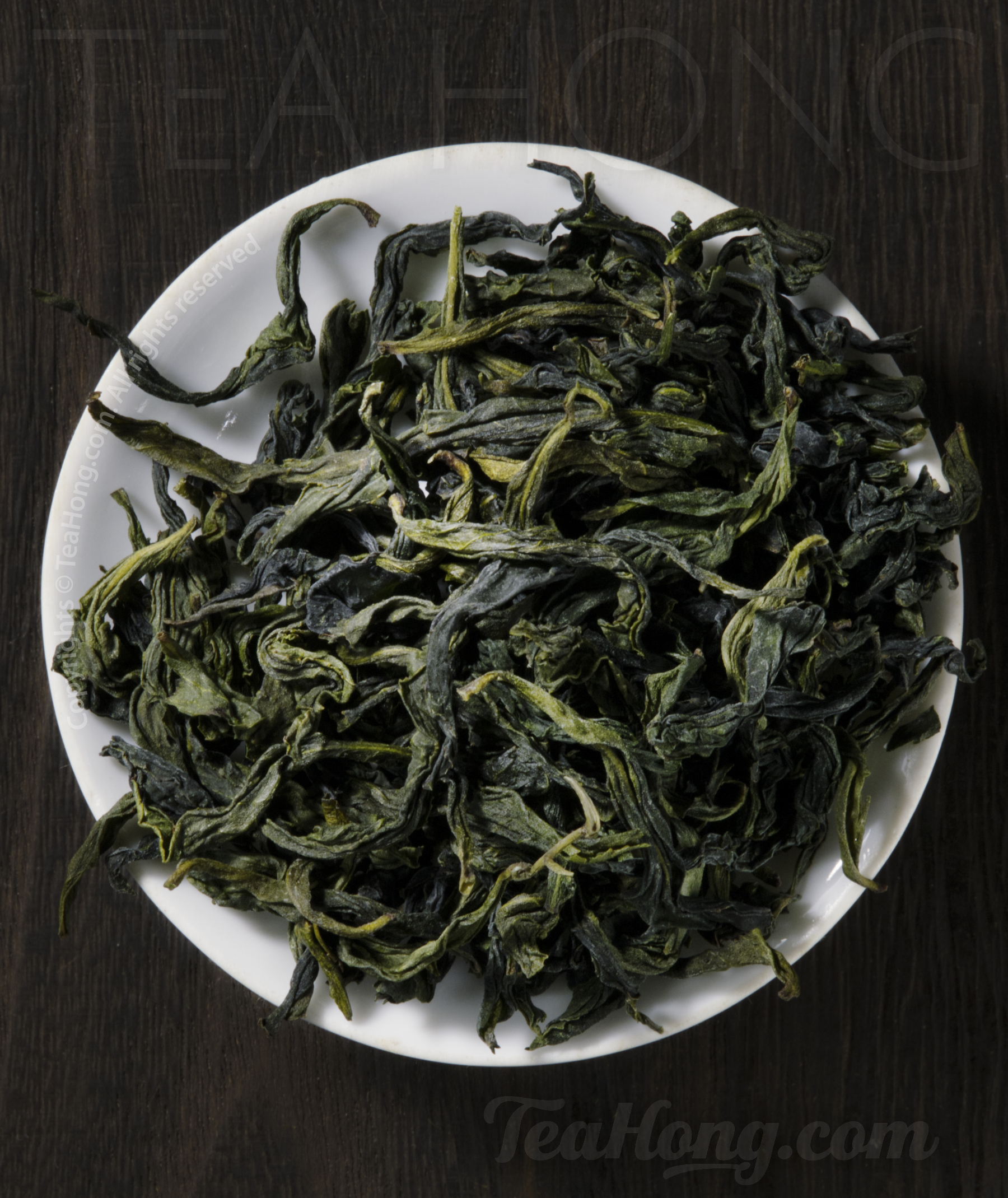
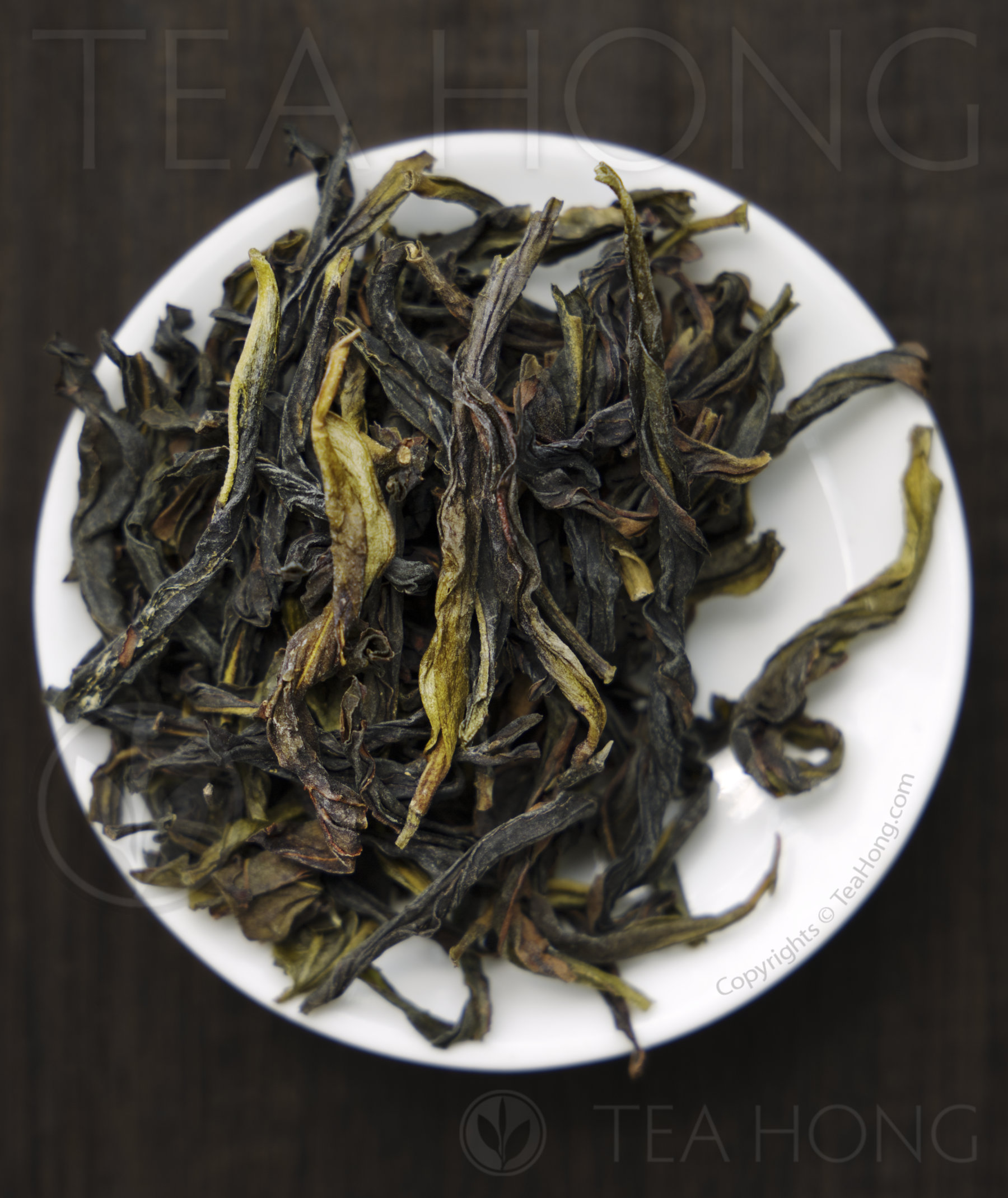
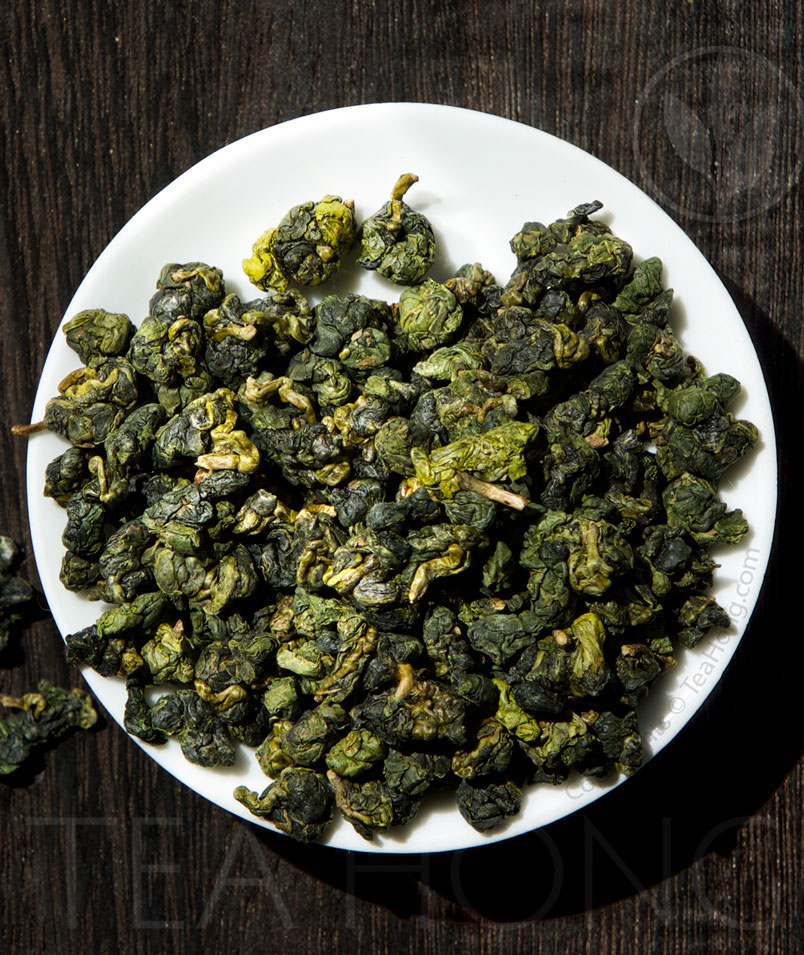
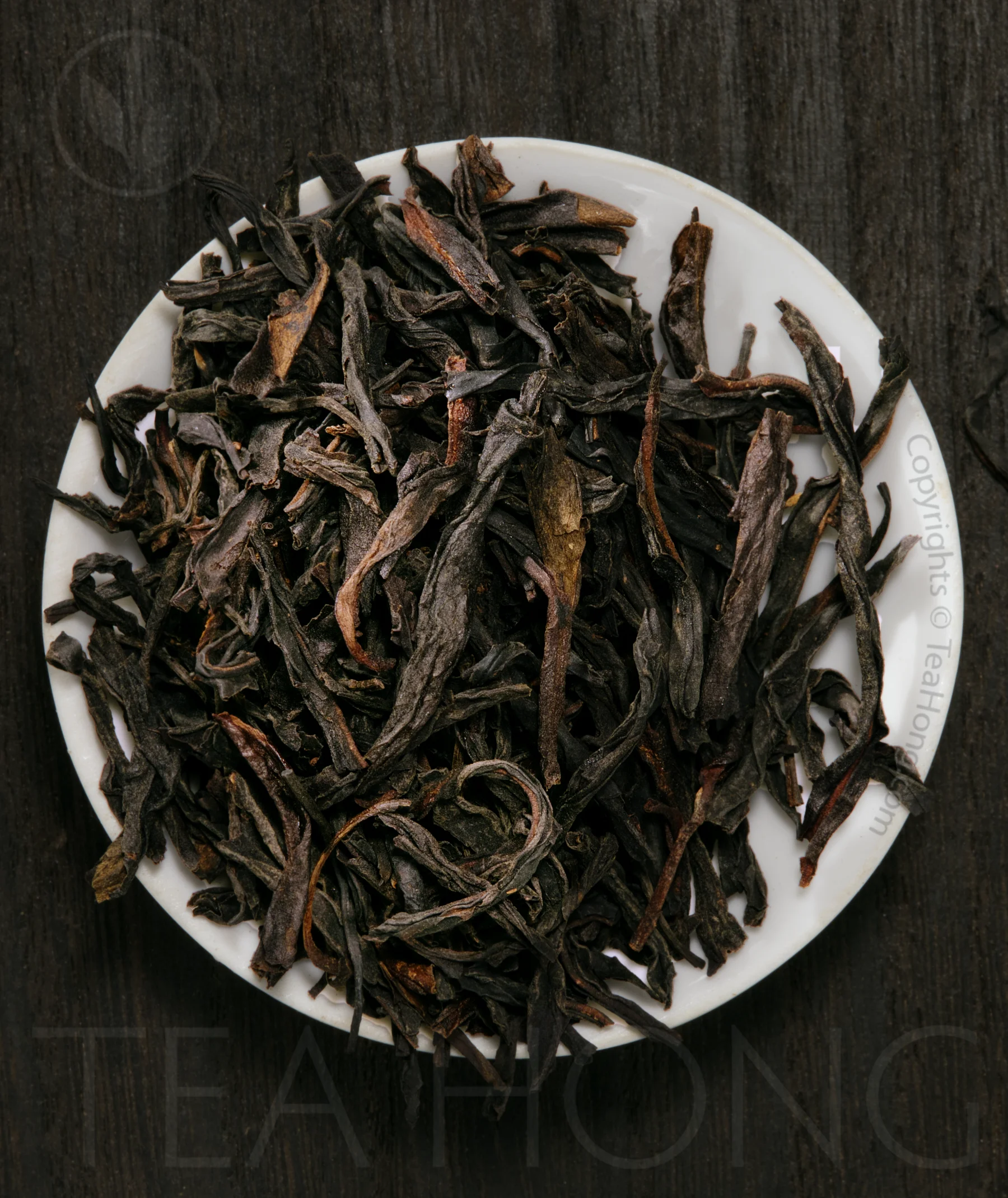
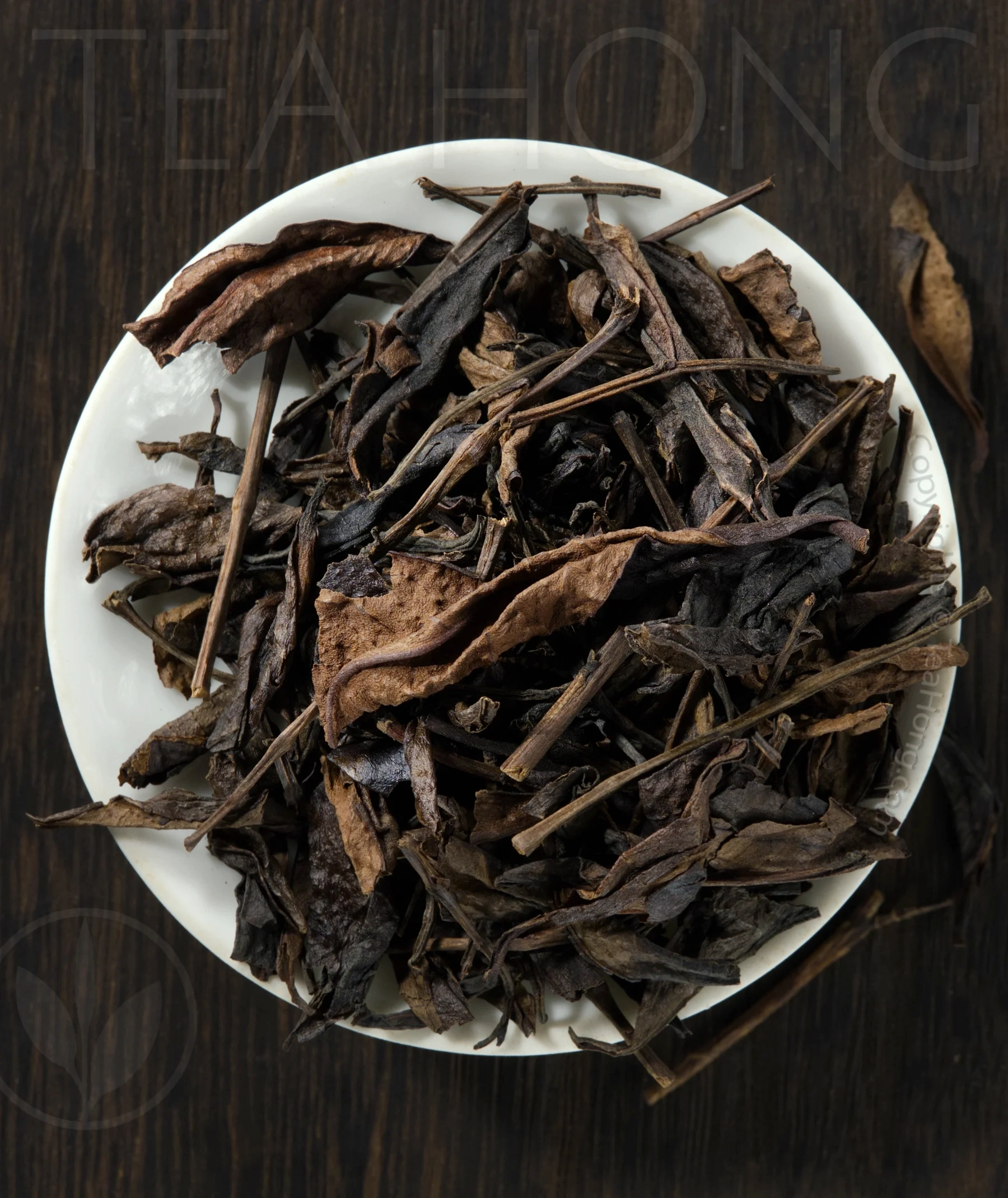
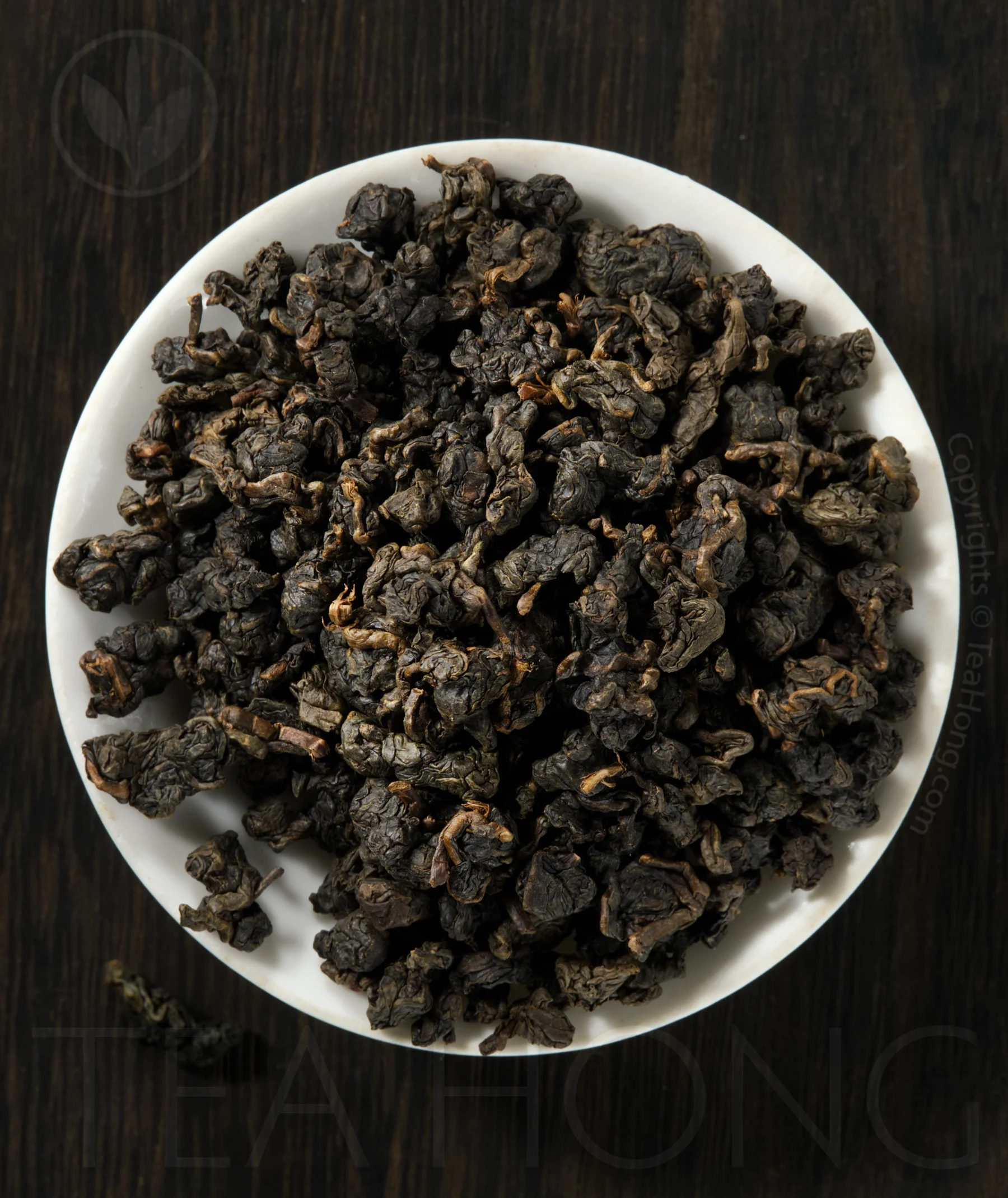
Magnolia denudate, a.k.a. Yulan magnolia, or Jade Orchid, the flowering tree that this tea is named after, is a native in this region. Taste profile: Nose: Soft, yet prominent sweet bouquet of Yulan magnolia. Hints of nectar. Undertones of sun-dried mandarin peel. Palate: Smooth, refreshing, herbaceous body that is slightly sweet. Soft accents of dried citrous peels. Tings of the freshly picked tea leaf. Sweet, floral aftertaste. Finish: Quenching and cooling sensations that linger. Infusion tips: Although this tea can be steeped in a teapot using the international tasting standard, the most enjoyment is brought about by way of short infusion in a smaller vessel. I’d prefer a 100 to 150 ml gaiwan with leaf to water ratio at 5 gram to 100 ml, using 95°C water and initial duration of 30 sec. Increase the duration by increments of 15% as you repeat the infusion. Enjoy each infusion by sharing it in 3 to 5 portions. Being in the subtropical, this region rarely snows except for some occasions in the higher peaks, such as this in Wudong. So why would the winter oolongs from this place called xue-pian ( snow flakes )? What is Xue Pian? “Xue pian” literally translates as snow flakes. It references the days between the lunar calendar’s 20th solar term of Light Snow, or xiao-xue (Chinese: 小雪), or shousetsu (Japanese:しょうせつ), or soseol (Korean: 소설), or roughly November 22 on the Gregorian calendar; and the 21st term Heavy Snow, or da-xue (Chinese: 大雪), or taisetsu (Japanese: たいせつ), or daeseol (Korean: 대설), or roughly Dec 8. It is between these days that winter harvests of Phoenix danongs are made. The 24 solar terms are still important reference tool for traditional farming in the Far East.