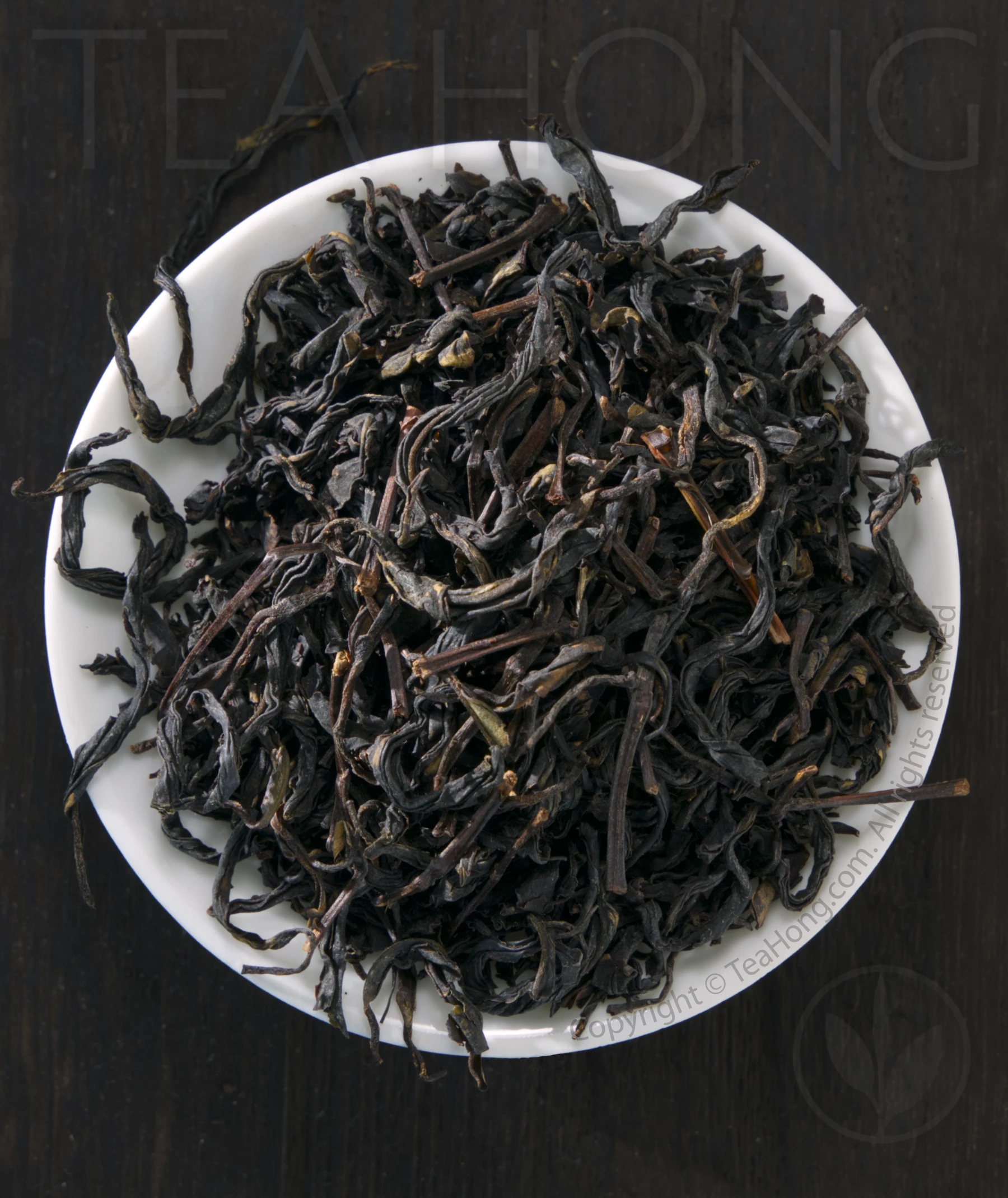
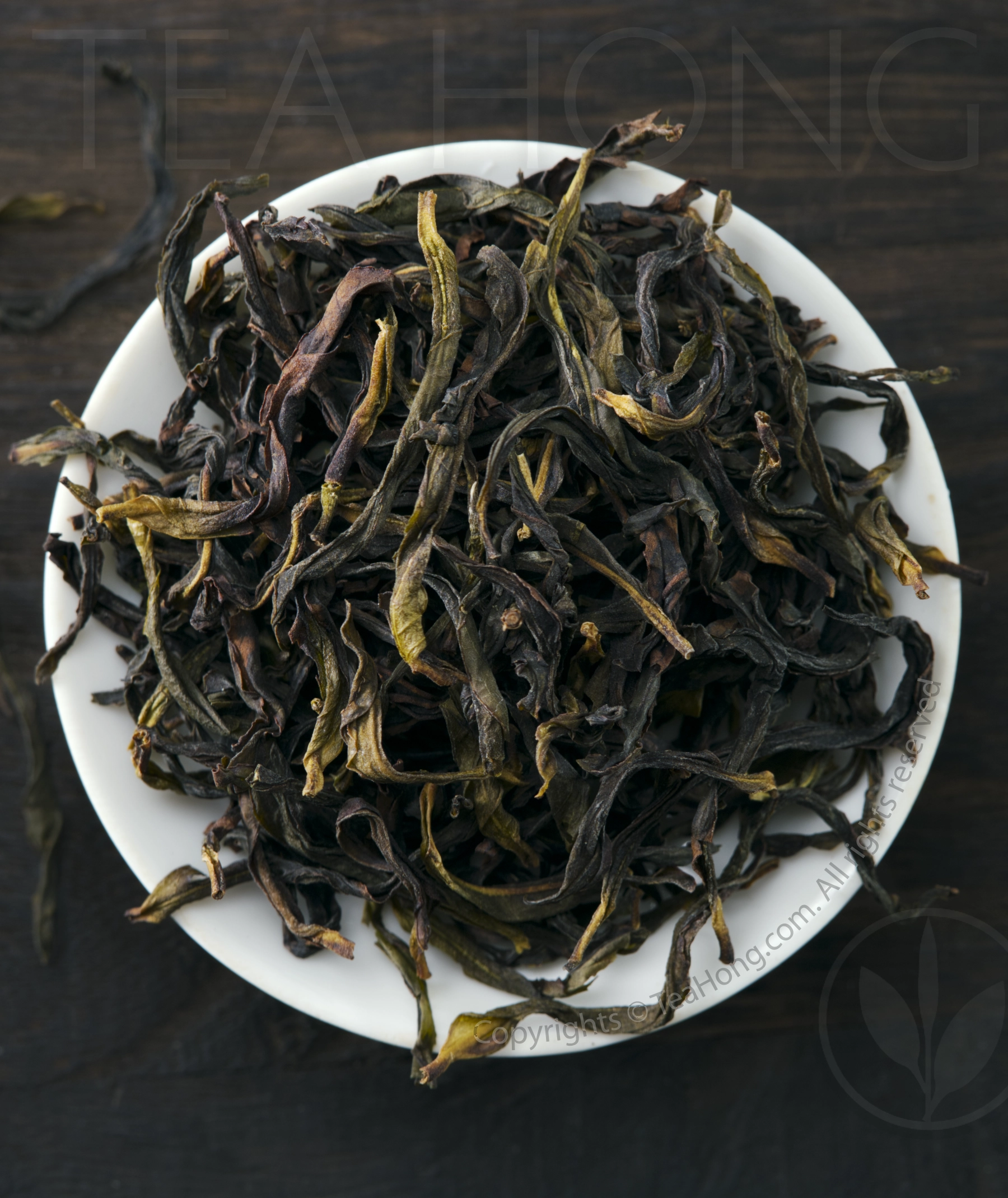
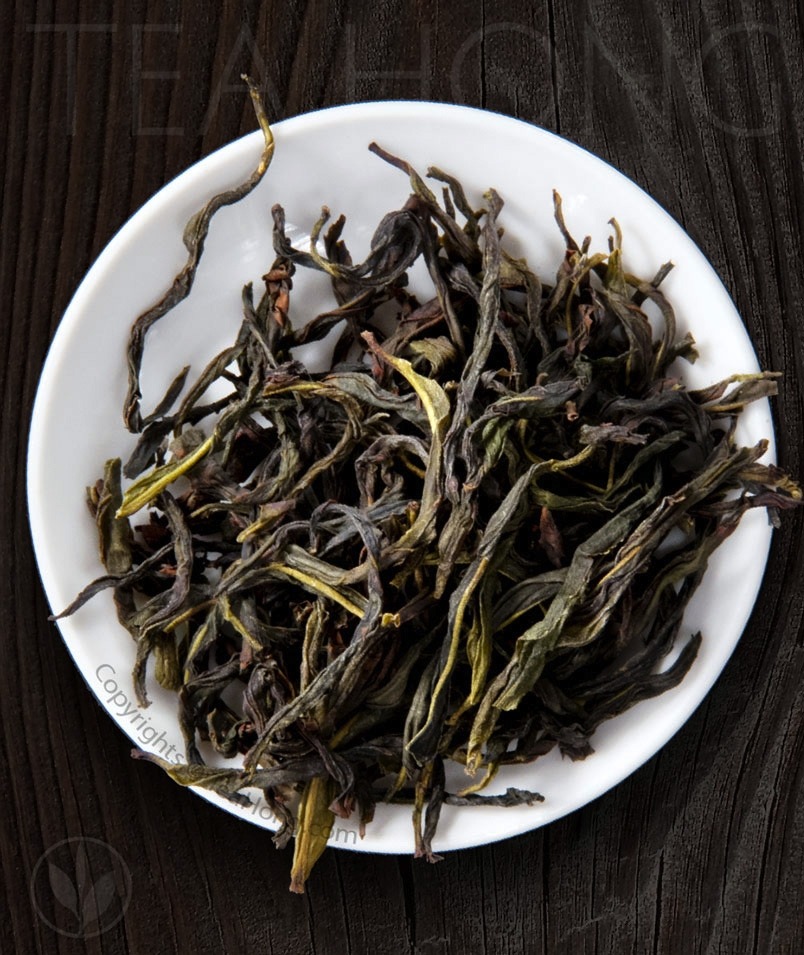
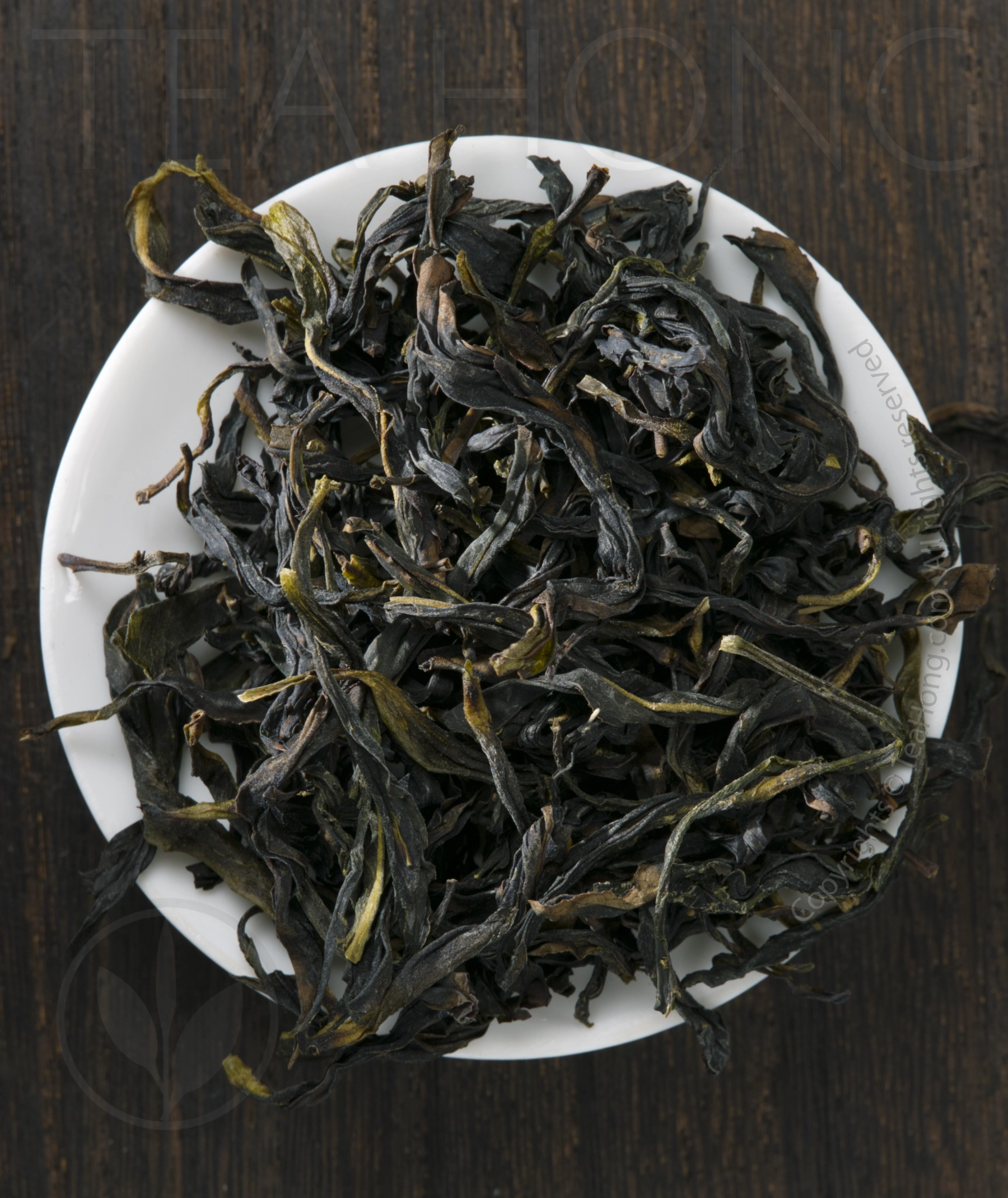
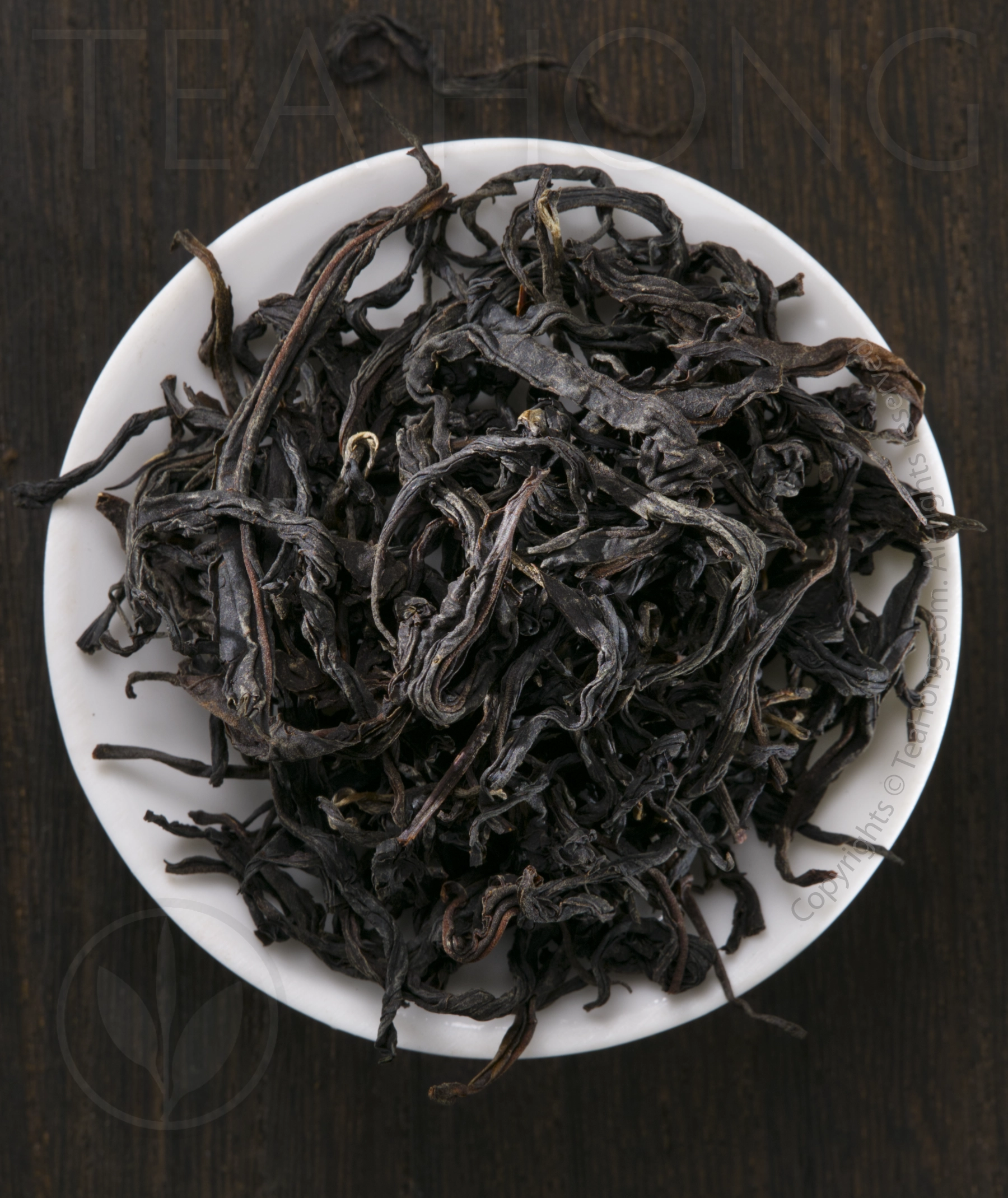
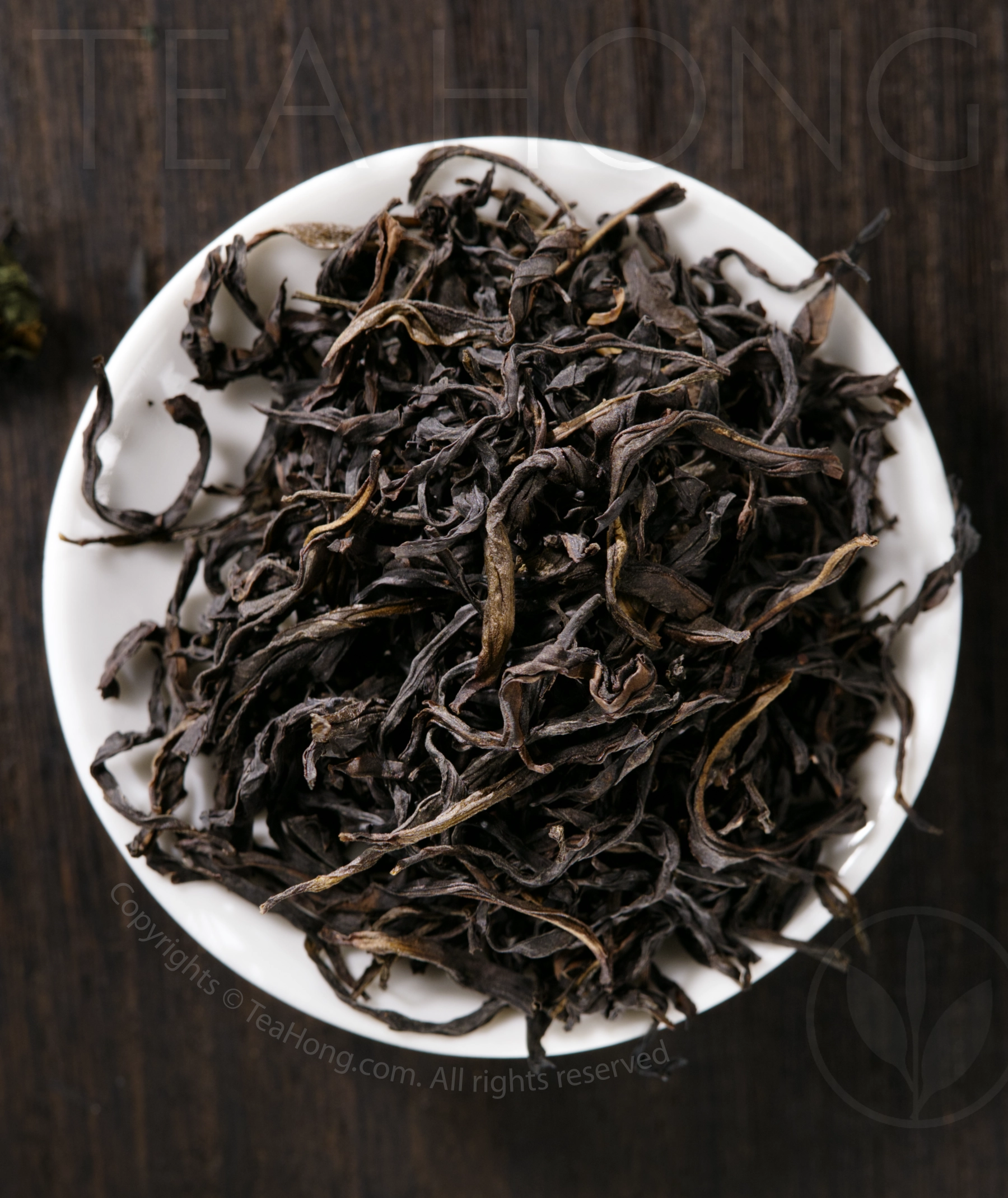
The infused leaf of Danhu Old Bush Song Cultivar reveals the delicate workmanship that allows the evenly partial oxidation at the edges and slow oxidation in the centre. Production note This old bush Song Cultivar Huangzhi Xiang is processed to the ideal balance in bouquet and sweetness. Like all genuine Wudong productions of single bushes, there is only one harvest per year per tree, in Spring. The batch size this year is about 5kg and that is actually very good for an old tree. We are offering only a small portion of that. Master Lin and Leo standing in front of their precious family inheritance: the old bush Song cultivar. Summer, 2008 What really does the name “Song Cultivar” mean? “Song” refers to a dynastic era in where China is today between the 10th and 13th century. Song dynasty was a golden age of civilisation where the arts, crafts, material technology and even the economy was at its height in East Asia. Tea trees survived from this era and their direct asexually produced offsprings are called Song Cultivars in the region of Fenghuang ( aka Phoenix ). The name is sometimes presented in its pinyin romanised form as Song Zhong. Read more about it here: Danhu Old Bush Song and other Beautiful Phoenixes Taste profile Nose: Creamy rich floral aroma with sweet notes of vanilla, apricot, and mandarin orange. Accents of kumquat flower and honey on earthy, woodsy undertones. Palate: Buttery tactility carrying a sweet, round body of great depth. The interplay of minerals, sugars, fragrant oils and citric bites moves and changes in different zones of the mouth in the course of tasting. Refreshing sensations. Finish: Quenching, enduring, sweet aftertaste with clear and crisp citrus notes. Infusion tips Contrary to common practices and concepts in Mainland China, very short infusion with a lot of leaves is NOT going to render the full profile of any finer Phoenix oolongs. If you are skilled in the gongfu style infusion, make sure your leaf to water ratio is good enough to give the tea at least 30 seconds of infusion. If you are able to control a slow and steady filling speed, you can reduce the infusion time by the same amount of water filling time. With this you can add more leaves for an optimum infusion result. Always blanch your leaves first when using such an approach. The international infusion standard for tasting of 2 g to 100 ml for 5 to 6 min does render an all round taste profile, but not the best potential of this tea. The amazing character of this dancong reveals itself also with even longer infusion time, say 10 min. Reduce the leaf to water ratio when you want to try that. Use an infusion vessel with better heat retention when so. It is absolutely alright if you do not blanch the leaves for the first infusion. However, if you have matured the tea till the next half year after its production year or longer, a very quick blanch helps to bring out the full favour a little more easily. Storage tips We have let this tea settled for almost 4 months before rebaking it at low fire for enough depth. As long as you keep the package airtight, the tea will keep well providing standard tea storage conditions. Any further processing will destroy its integrity. The tea is good as of anytime you get the package, but if you want to mature it, do not open the bag.