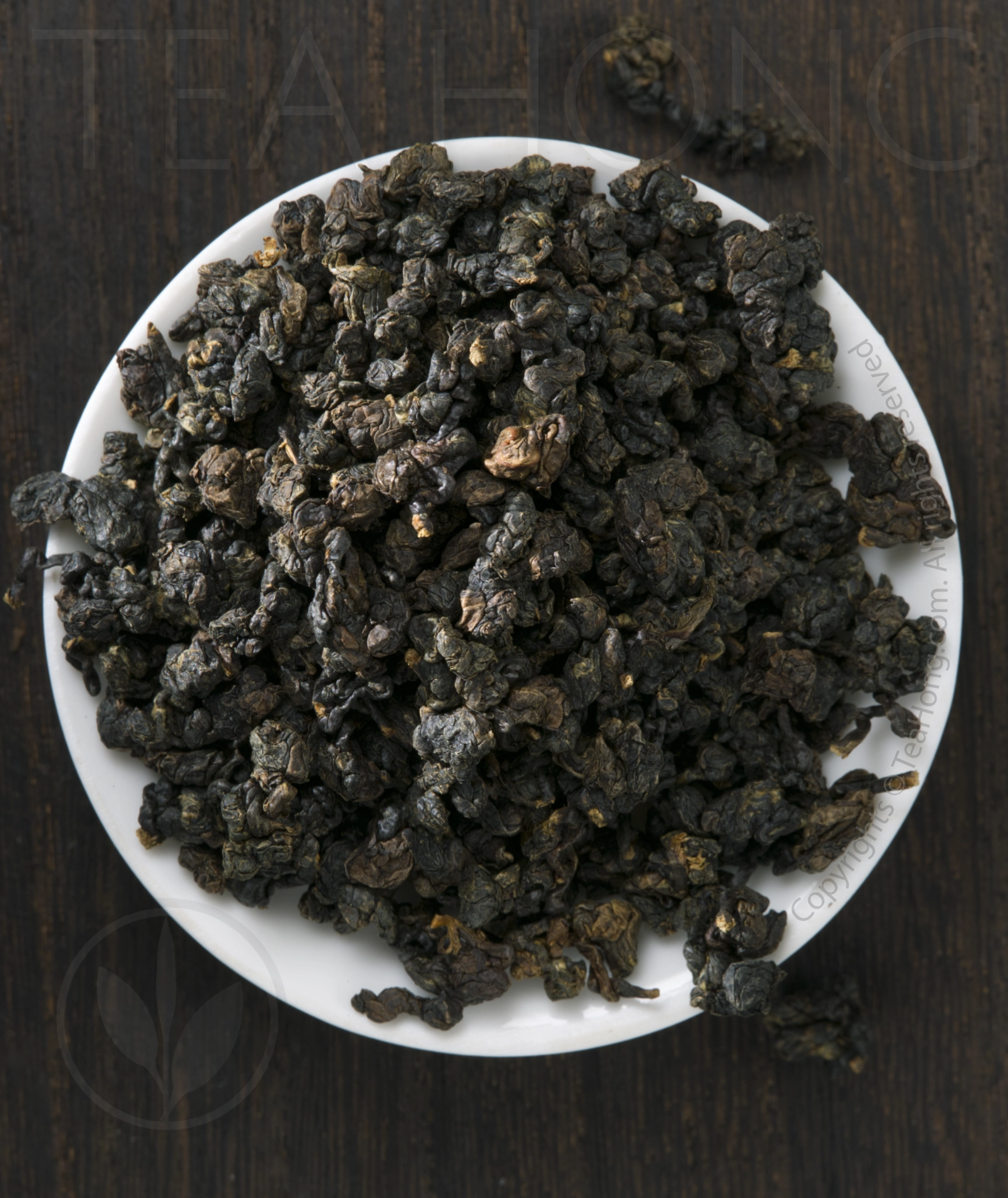
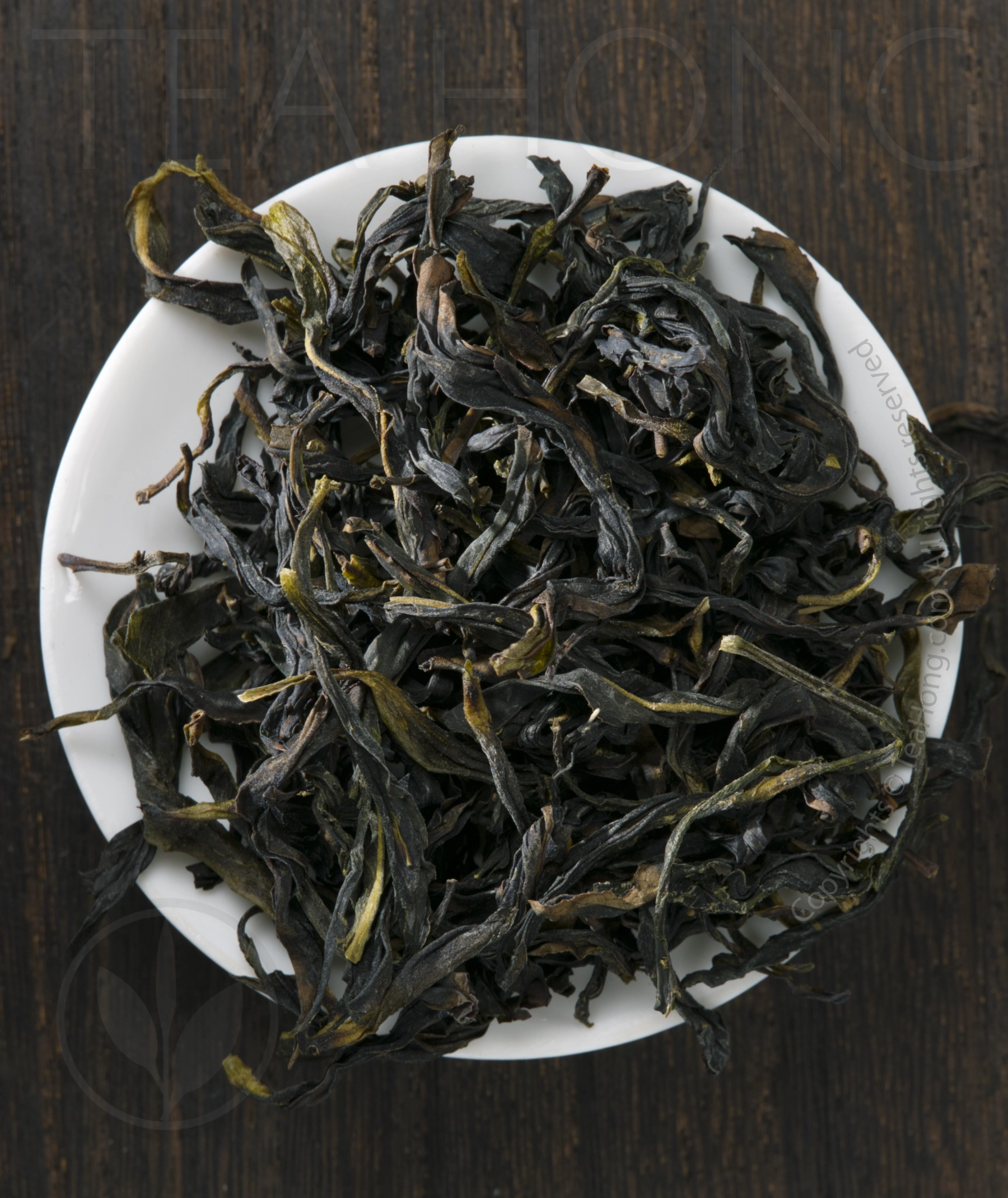
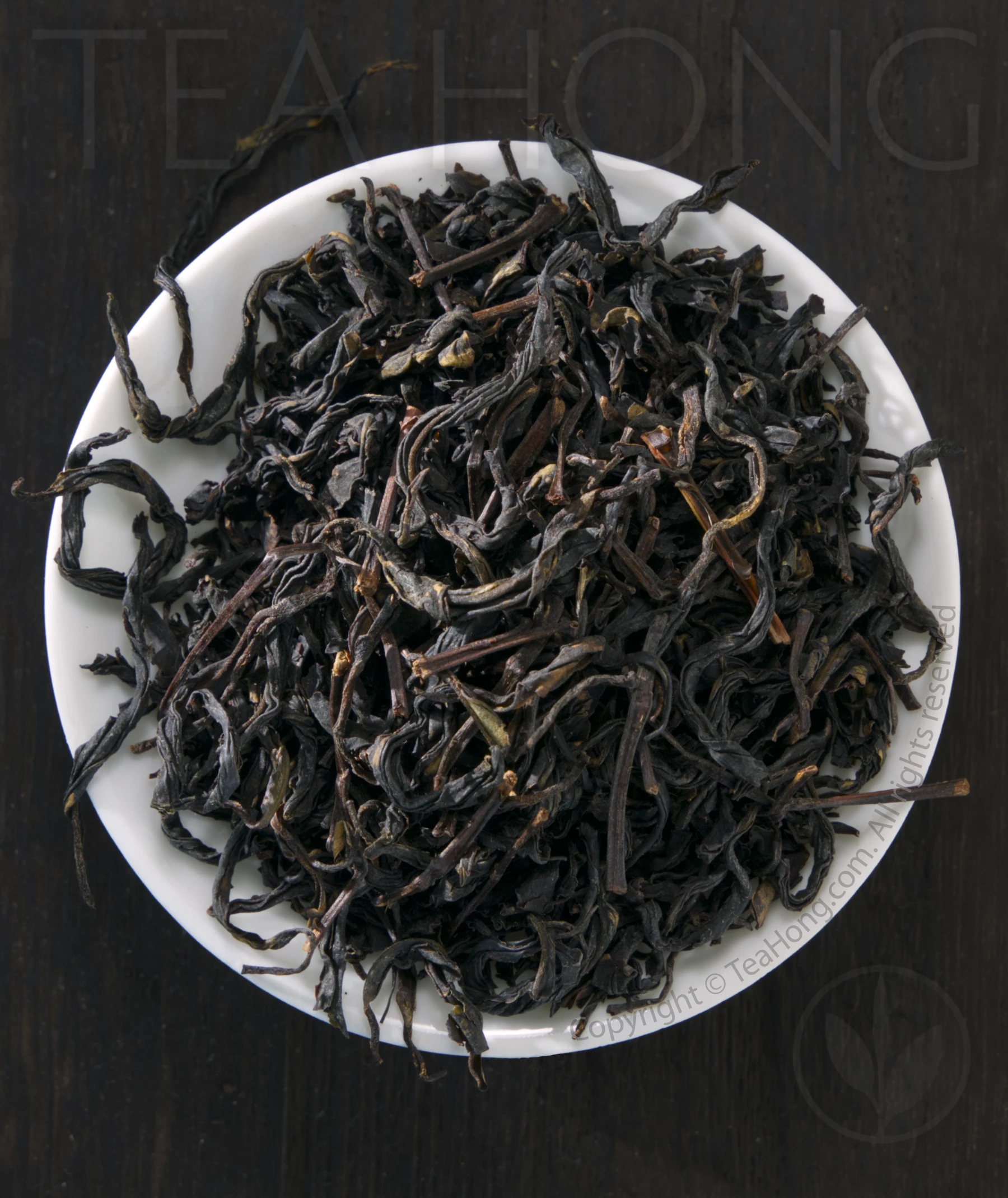
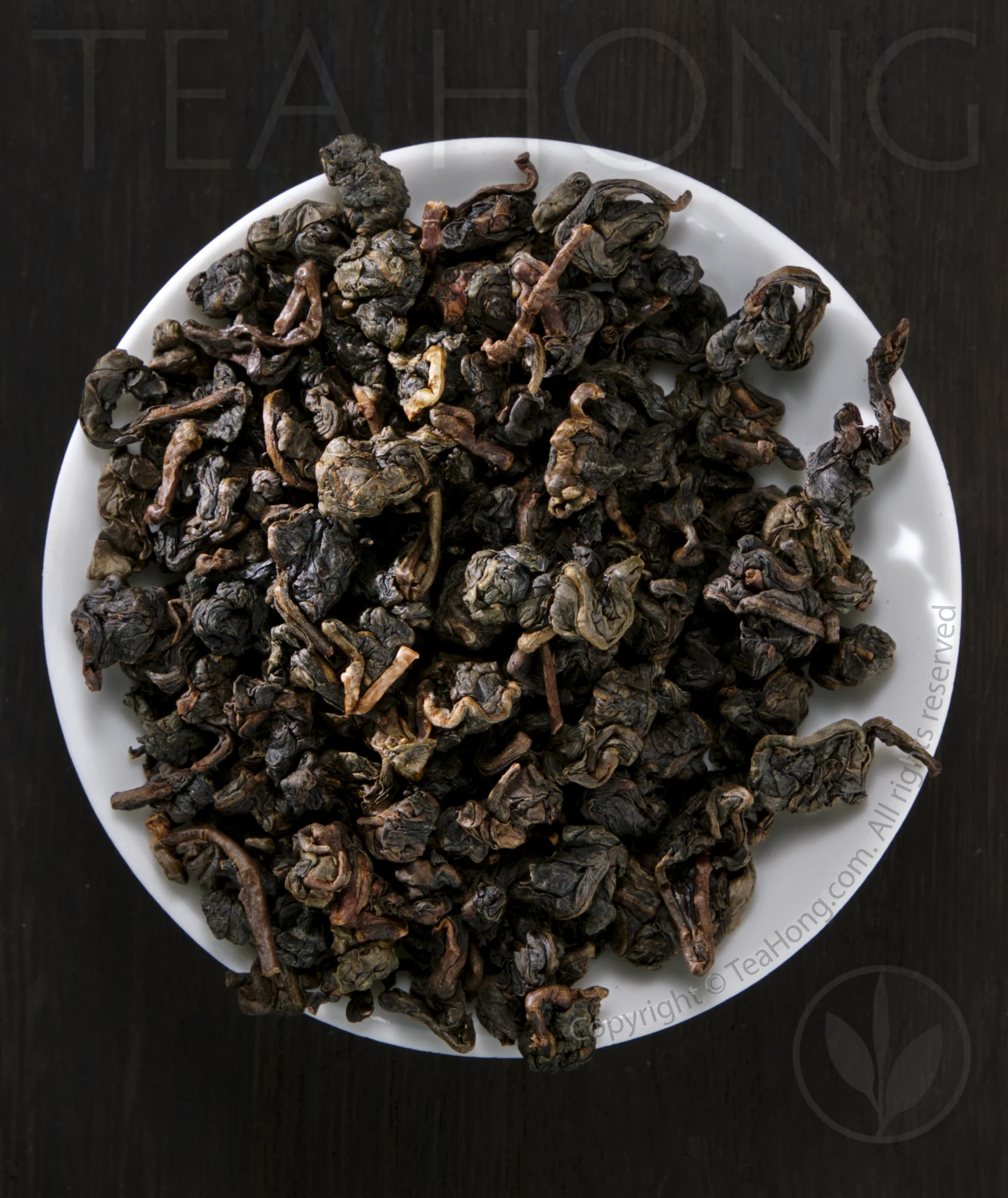
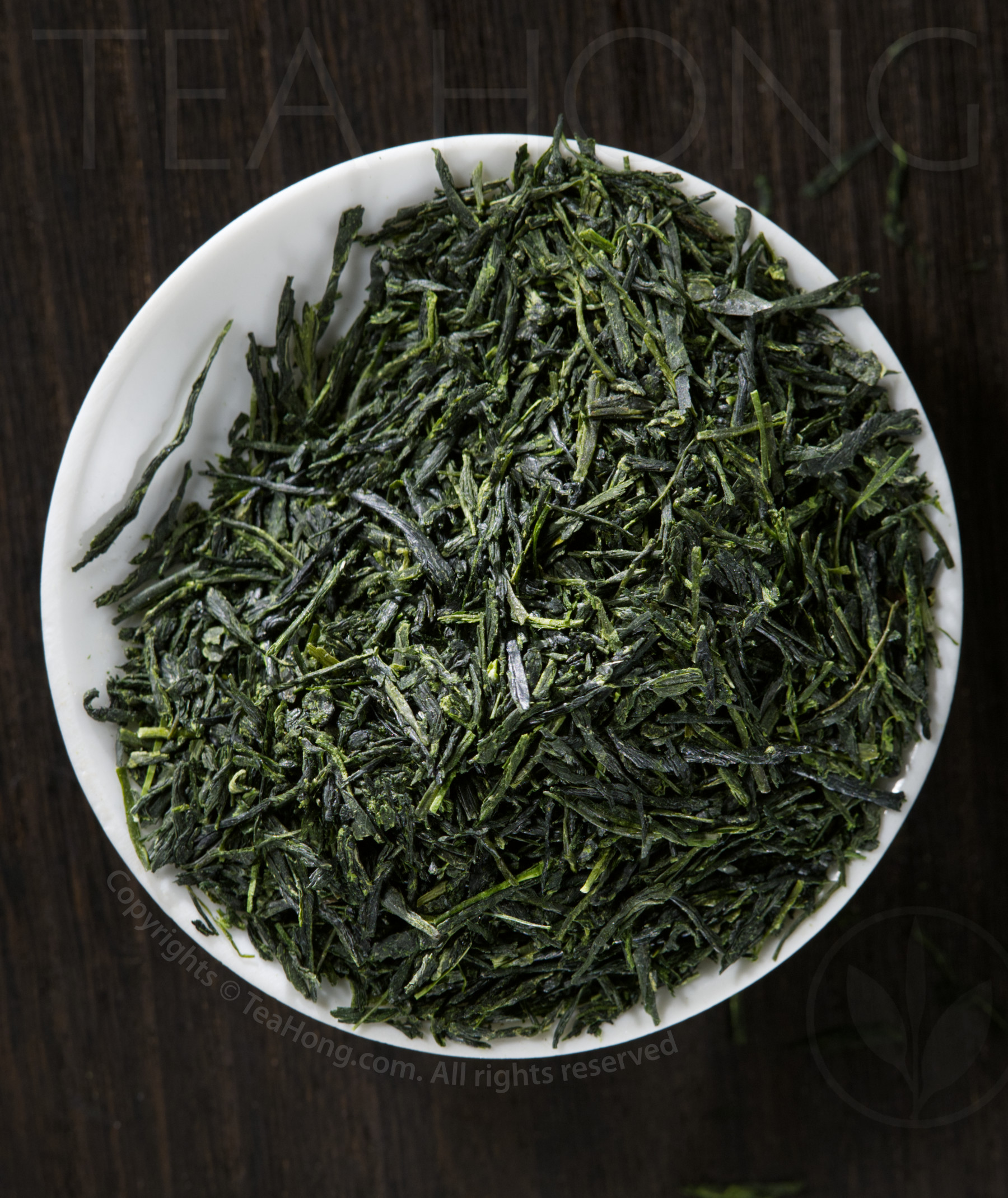
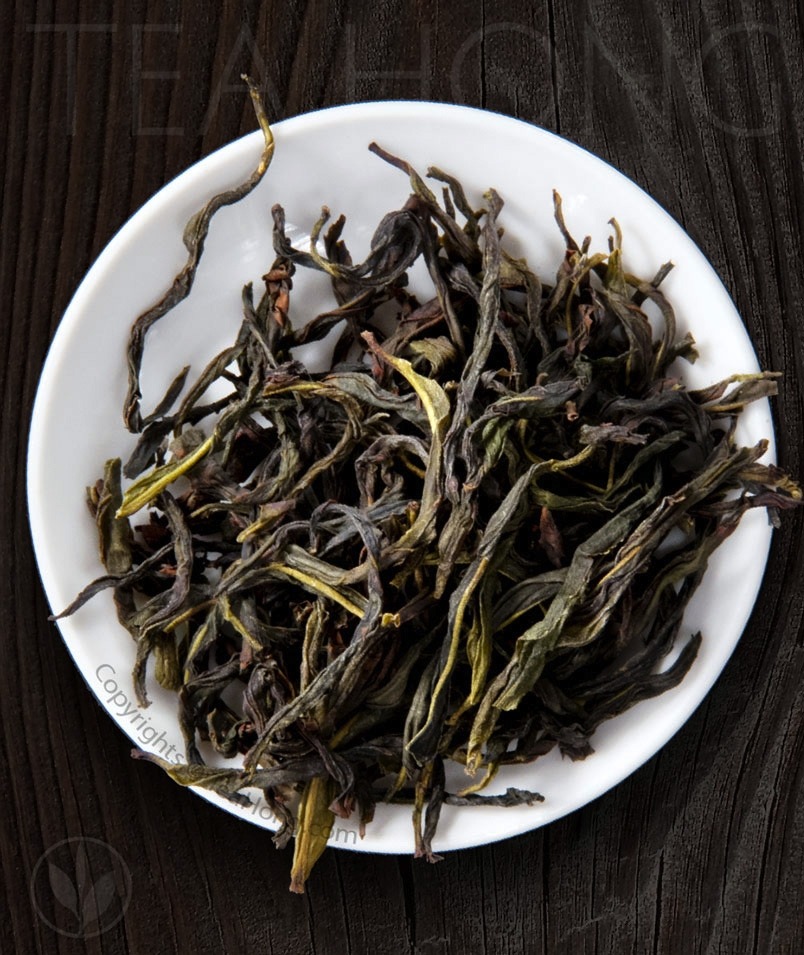
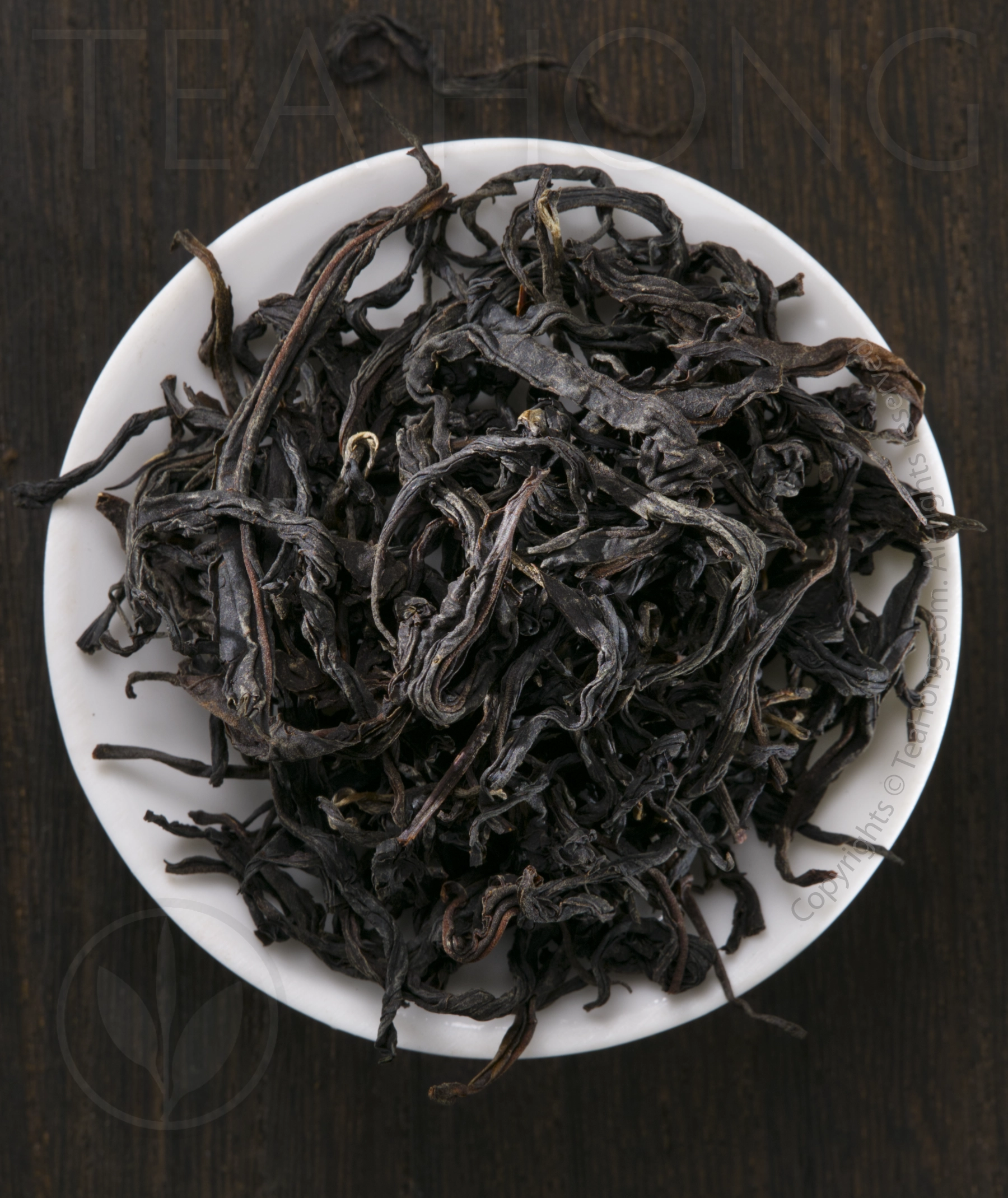
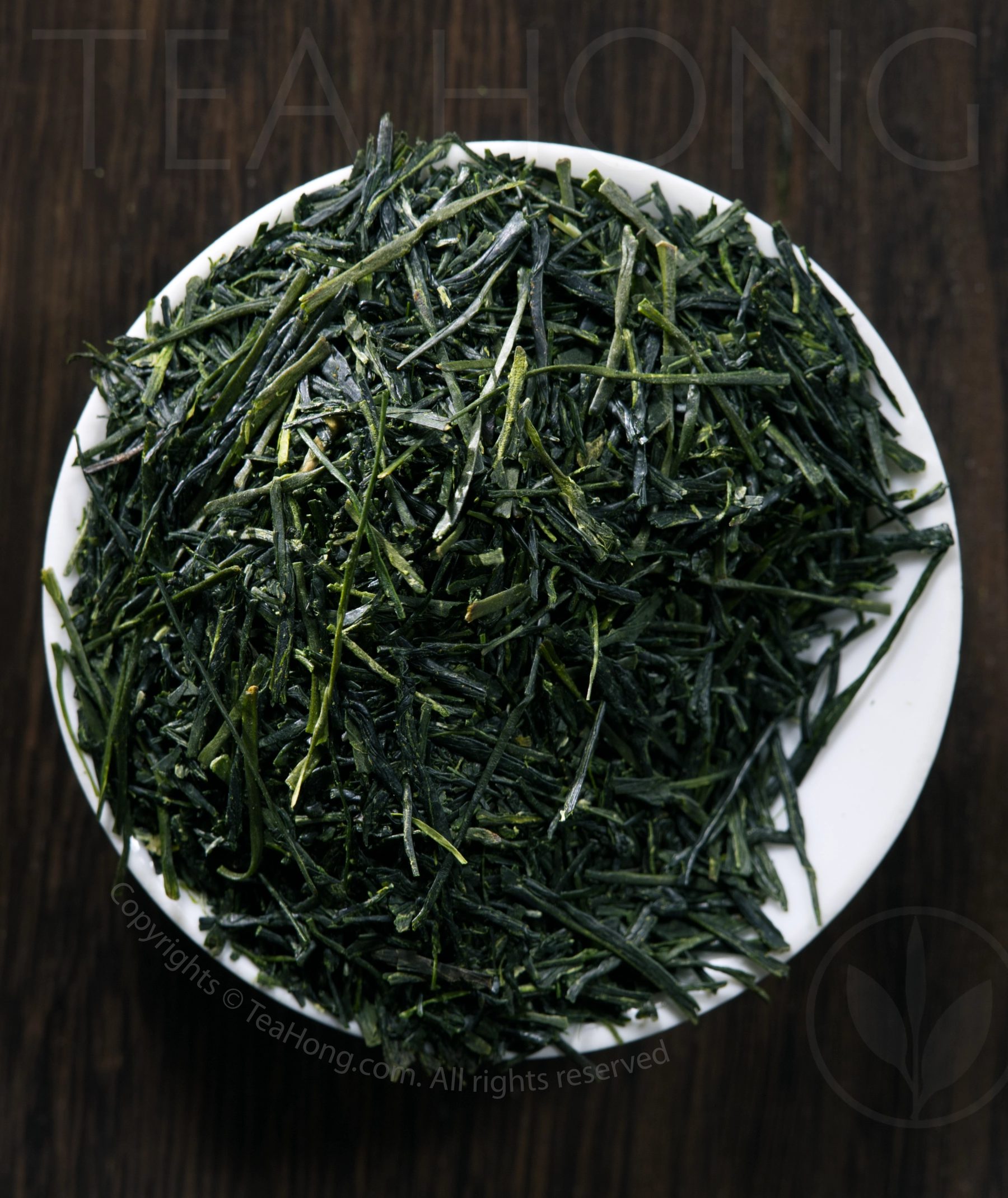
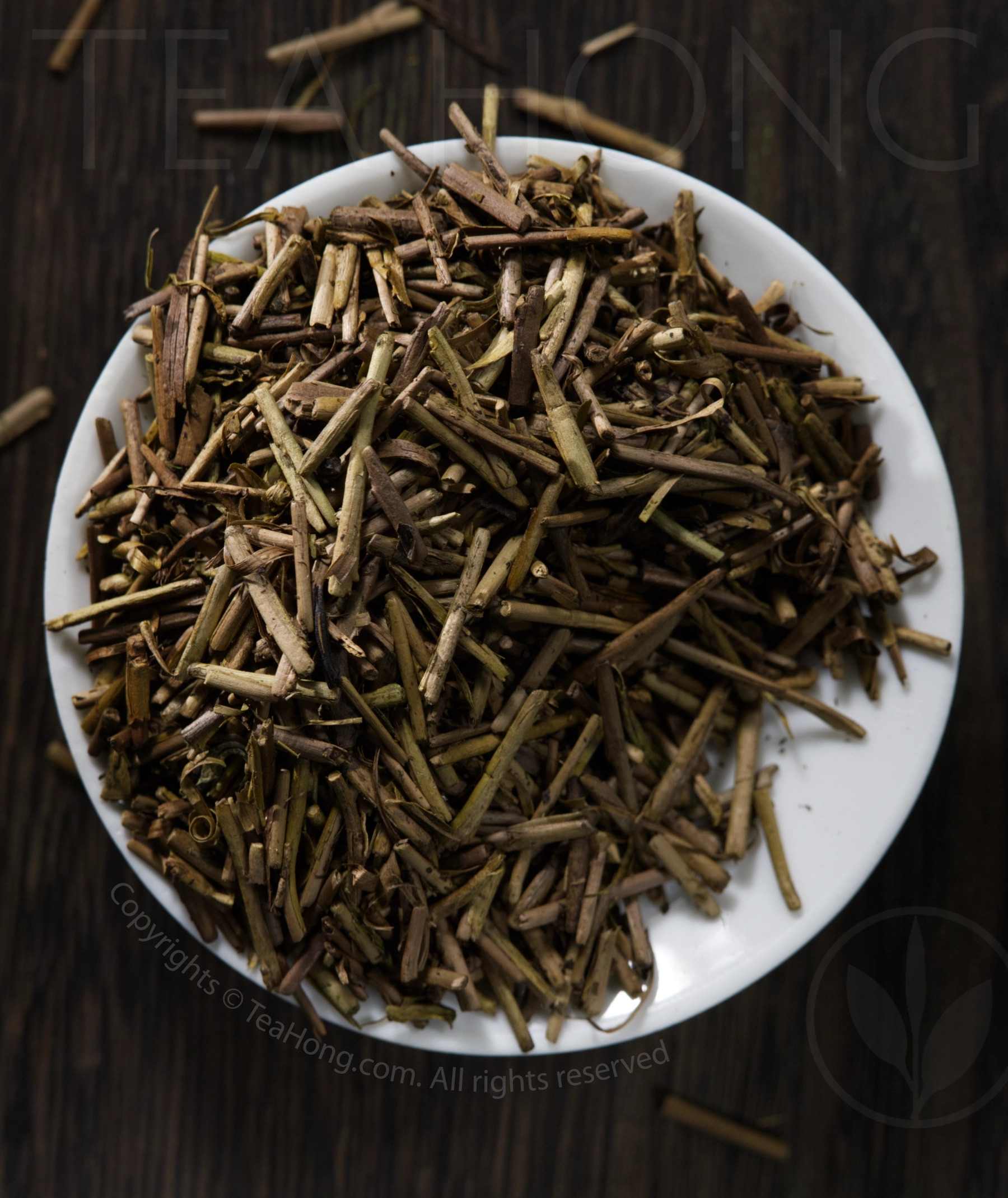
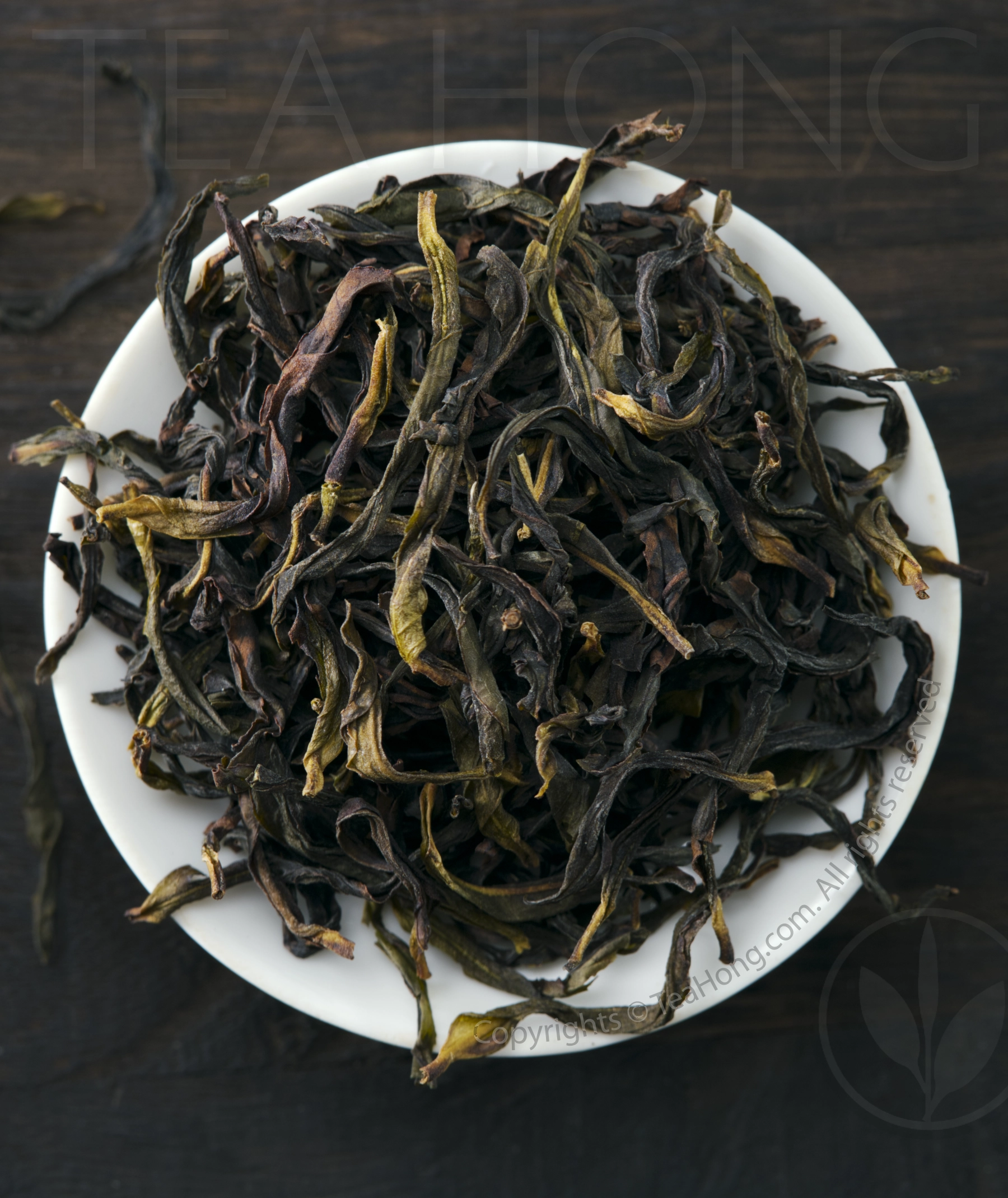
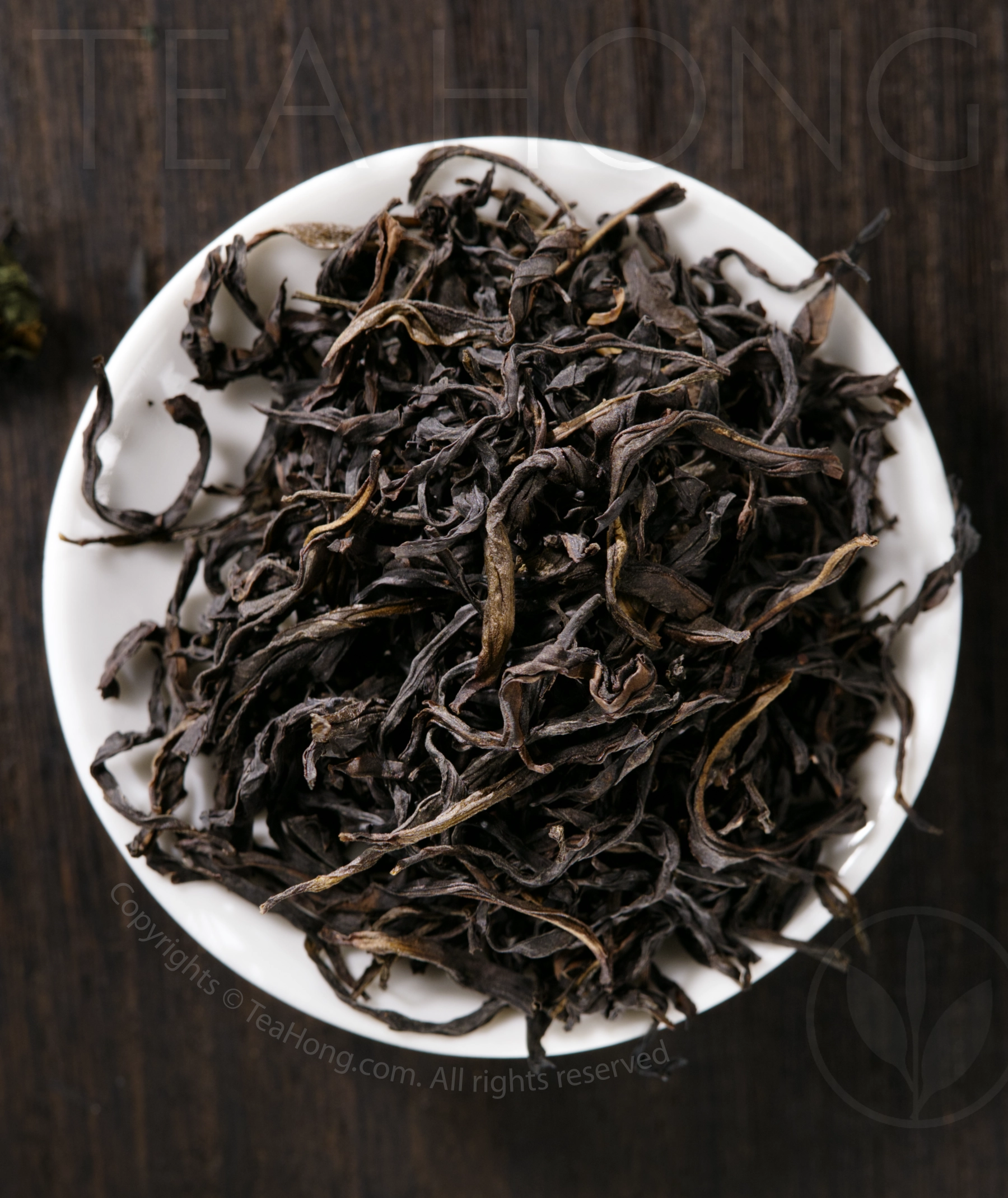
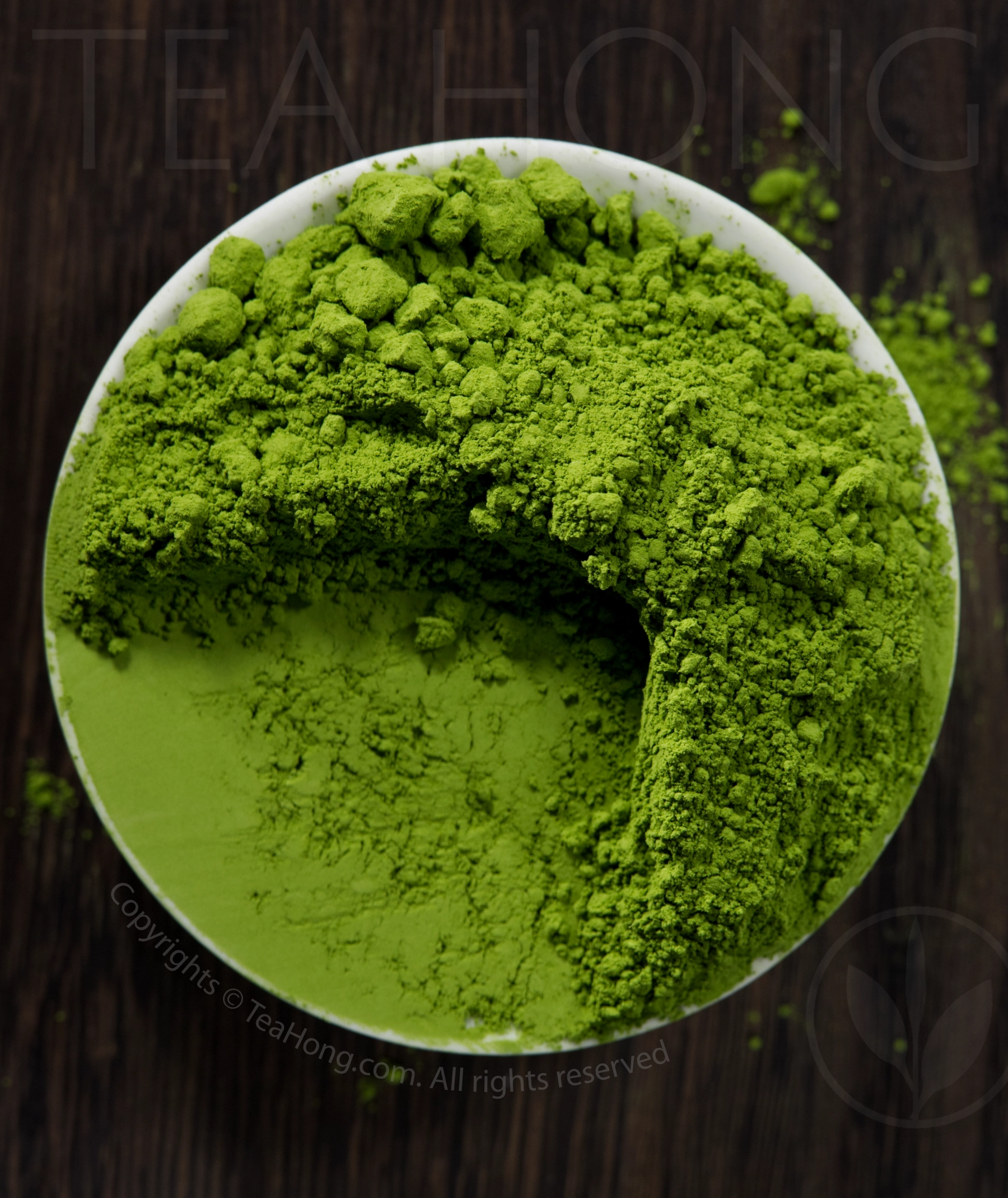
Cedar Creek Classic, deep oxidation Taiwan oolong, 70 g
$53.67
$67.62
Taste profile In case when the leaf volume out proportion that of hot water in a round of infusion, especially towards later rounds, a hot water bath is a practical way of optimising extractions from the leaves. This may seem unusual nowadays, but it used to be a standard practice in gongfu tea making. Nose: Warm, deep aroma on a fruity overtone. Lightly smoky undertone with accents of honey and roasted nuts. Tints of citrus and fresh green leaf vegetables. Palate: Smooth, yet bright and lively body with accents of herbs and fresh greens. Tints of minerals. Light citrus tinkles. Finish: Quenching. Refreshing. Infusion suggestion If you prefer a long steep approach to get the most out from a single round of infusion, try a 2g to 125ml leaf to water ratio for 6min or more. Please use a good heat retention vessel with a body design that allows for good convection. I myself like this method when using the tea to get me through the day of desktop work. For that special tea moment when you have time to work the leaves, begin with a 4g to 100ml ratio and at least 30 sec in the first round. Employ a small vessel, but not too small one. The leaves will expand in volume quite significantly through the sessions, taking up most of the space in the vessel and not much room for water if the size is too small. When the infusion water ratio decreases, so does the infusion temperature. My advice is 150ml capacity upward, and a properly preheated and thick, good stoneware or Yixing vessel would render better results. Use a hot bath during infusion when you see your hot water ratio is significantly reduced by the leaf volume. *notes The Qing Xin tea field on Da Lun Shan, overlooking the Qin Feng Valley below Beautiful Island This is the direct translation of the name Portuguese explorers labelled the island with, Ilha Formosa, the first old name of Taiwan known to the rest of the world in mid 16th century. The name, and the simplified version as Formosa, continued to be used to refer to the island until after 1945, when World War II ended. When I was younger, some literature and older people still employed that name in less formal environments, particularly in Taiwan and Japan. Cedar Creek — Shan Lin Xi 杉林溪 Because of its high altitude tropical locality, in the early twentieth century when the Japanese came in as colonisers, they have planted vast patches of cedar for their vast demand for lumber, thereby the modern name of the area. Fortunately, a lot of the orginal forests hadn’t been destroyed and the place remains a vibrantly diversified ecology. It is one of the most revered hideouts and hiking areas for locals in Taiwan. Da Lun Shan is one of its highest peaks. Because of the ideal temperature range, humidity, acidic soil with rich mineral contents, this is one of the most prized tea garden areas. In traditional oolong processing, it begins with holding the leaves to rattle them together to create a gradual cracking of the leaf cell structure in order to trigger the desired enzymic oxidation that gives us the aroma and taste substances unique in oolongs. Here old Master Wen is starting a batch just in after a a few previous steps of sun withering and shade resting. This photo was taken in 1999. Nowadays, specially designed metal drums have generally been installed to reduce the manual work, but the idea remains the same. Deep oxidation — the oolong way — Zao qing (造青) There is a popular myth that oolong is made like black tea but just with less oxidation (or sometimes referred to as fermentation). This is not true. While one can define oolong as a partially oxidised tea and black tea as a fully oxidised one, the processing of a genuine oolong is different from that of black tea. This is an abridged summary comparison of the two different processing methods: Black tea (traditional, not broken grades) Withering > rolling > oxidation > roasting > additional rolling (in higher grade ones) > drying Oolong tea (genuine ones, not false labelled ones) Withering > resting > rattling < — > oxidation > roasting < / > rolling > drying The rattling step, sometimes referred to as rocking, is a multiple stage in which the leaves are rattled to collide with one and other to create various degrees of cellular fractures that trigger enzymic oxidation. It is intervalled with resting for the time needed for oxidation to occur. Various physical conditioning of the leaf, often applied at different steps, is applied to attain the designated oxidation pattern pertaining to the particular style of oolong. After this step, in certain style of oolong processing, the leaves are briefly roasted to halt the oxidation process before rolled, while in some others, the leaves are rolled, rested for further oxidation, and then roasted, and then baked to dry. The oxidation process in oolong production is substantially more complex than that for black tea. We shall present a more detail article on this topic.
Tea