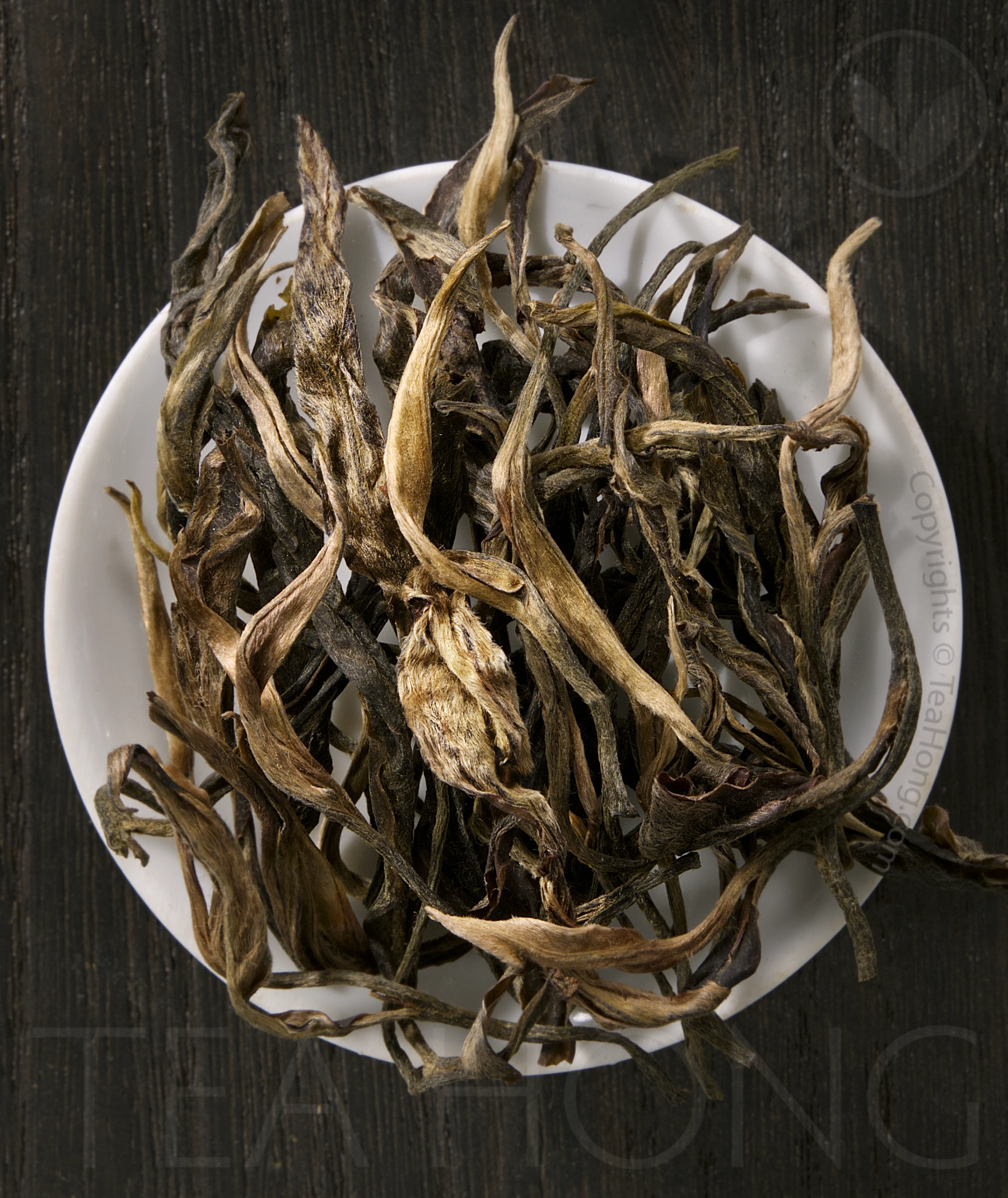
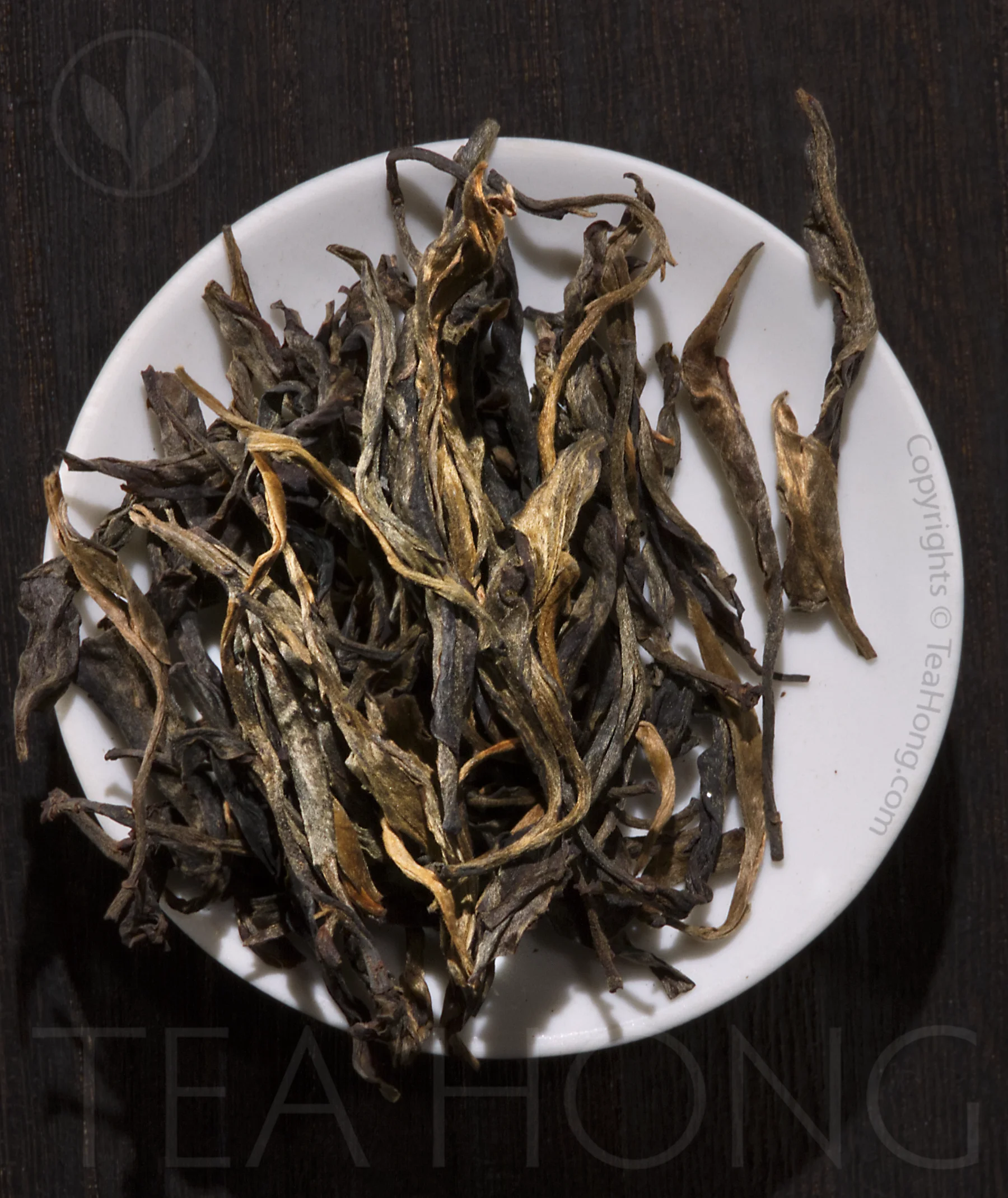
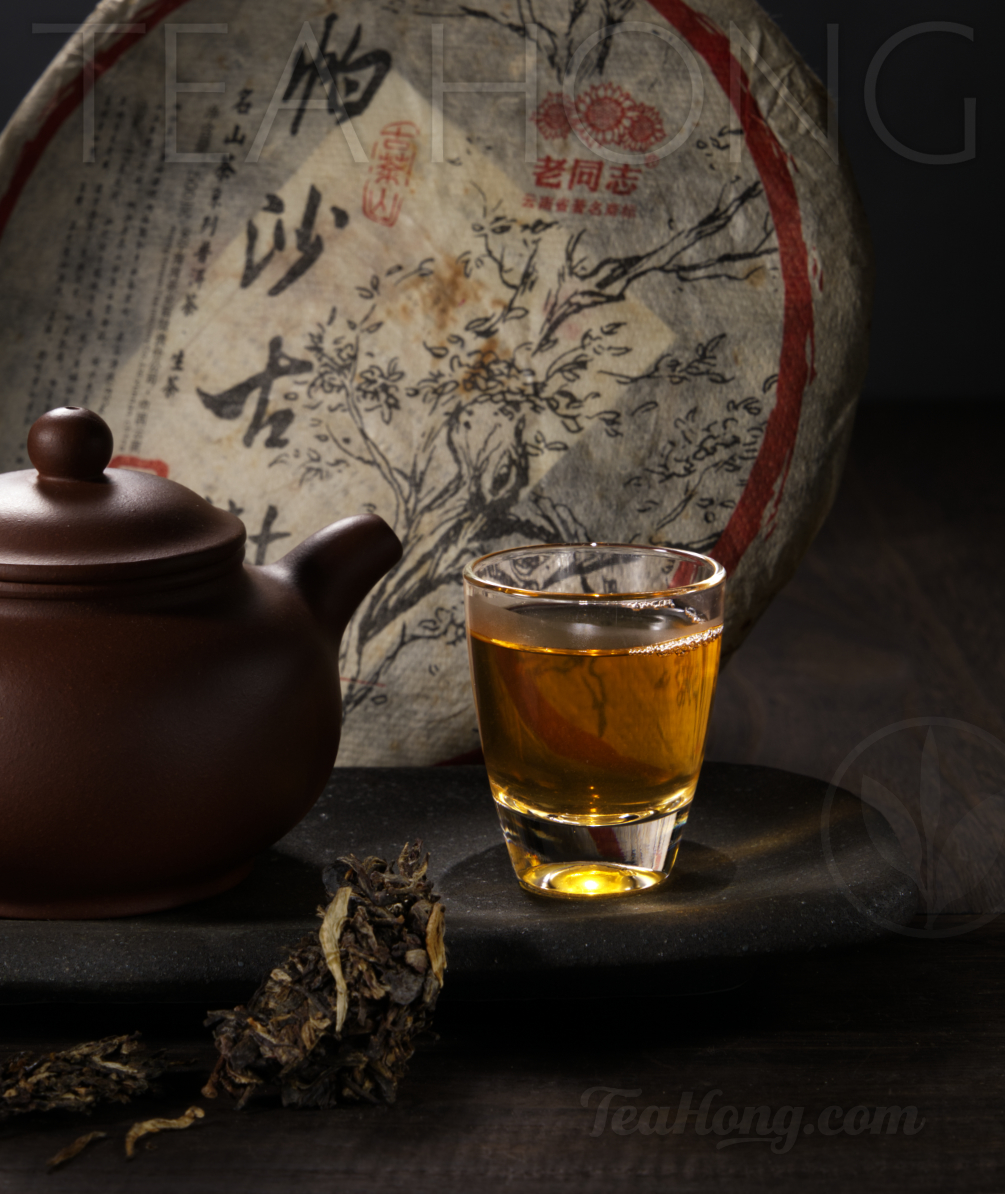
Moss Island 2018, shengcha Pu’er maocha, pu-erh, 40 g
$39.35
$61.78
Taste profile Nose: Upfront smokiness with a sweet undertone of sugarcane and honey, accented with dries berries on an earthy overtone tinted with dried herbs. Distinct note of ilex kaushue (kuding). Palate: Sharp, smoky, bitter impact with an umami body. Notes of herbs, rose hips and the white meat of jujube. Finish: Tinkling sweet aftertaste. Infusion note By tasting a tea through infusing it differently, one can find out how best to find a personalised infusion approach for each particular tea for better enjoyment Please refer to this article: About Infusing Pu’er Maocha Footnotes Yunnan Da Ye varieties: Although it seems to us that a more comprehensive taxonomic survey of the different tea tree varieties is still needed in Yunnan and its immediate neighbouring countries, such as Vietnam, Laos and Myanmar, currently a few sexually propagated (that basically means as grown in the wild) varieties are generally recognised in addition to Mengku Da Ye: Fengqing Da Ye, Menghai Da Ye, Jingdong Da Ye, and Jinggu Da Ye. The suffix in the name — Da Ye — literally means Big Leaf, referring to the relatively larger leaf size of these wild grown tea trees. The prefix of the name is the area where the variety is most abundant in. Since these tea trees have been propagating here in the warm and humid climate for centuries, it is only natural that natural varietals exist in abundance. With plant diversity comes taste diversity. Cultivars developed from these varieties are used popularly throughout Yunnan and some in other regions. Moss Island: The original Chinese term Bing Dao literally translates as Ice Island. While it is true that there are several apexes in Yunnan have white caps and one is even named Big Snow Mountain, the name of the area comes originally from Tai, one of the indigenous language groups in the area. The Chinese name was originally only a homophonic translation. In its original language it means a place overgrown with moss. It refers to a local high altitude lake and an area near it. Mengku: The size of Yunnan is about 110% that of Germany. Administratively under the current government, it is divided into 16 prefectures. Mengku is an old name referring to an area in the Bulang and Dai Autonomous County in the township-prefecture of Lincang, where some of our Yunnan teas are sourced from.