Search Product
Our Categories
Your Cart

BEST SELLER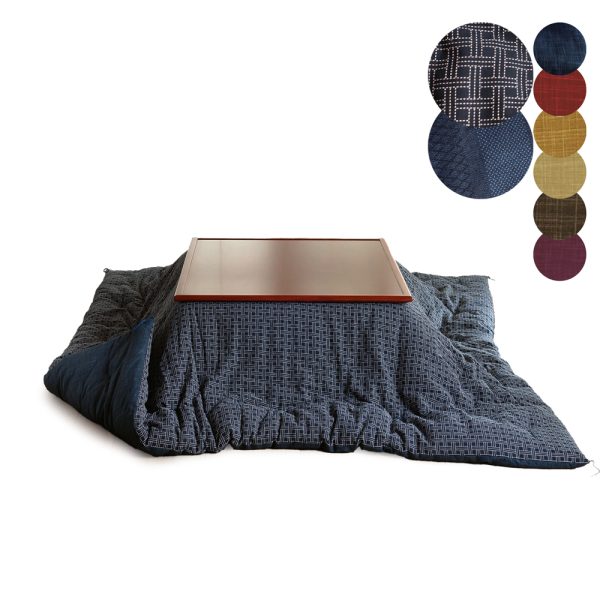
Japanese Kotatsu Futon, Reversible Kotatsu Blanket, Artisan Handmade (Fabric: Enshu Weave and Nagomi Filling: Organic Cotton)
Original price was: RM 59.00.RM 49.00Current price is: RM 49.00.Last 4 products before the end of the campaign.
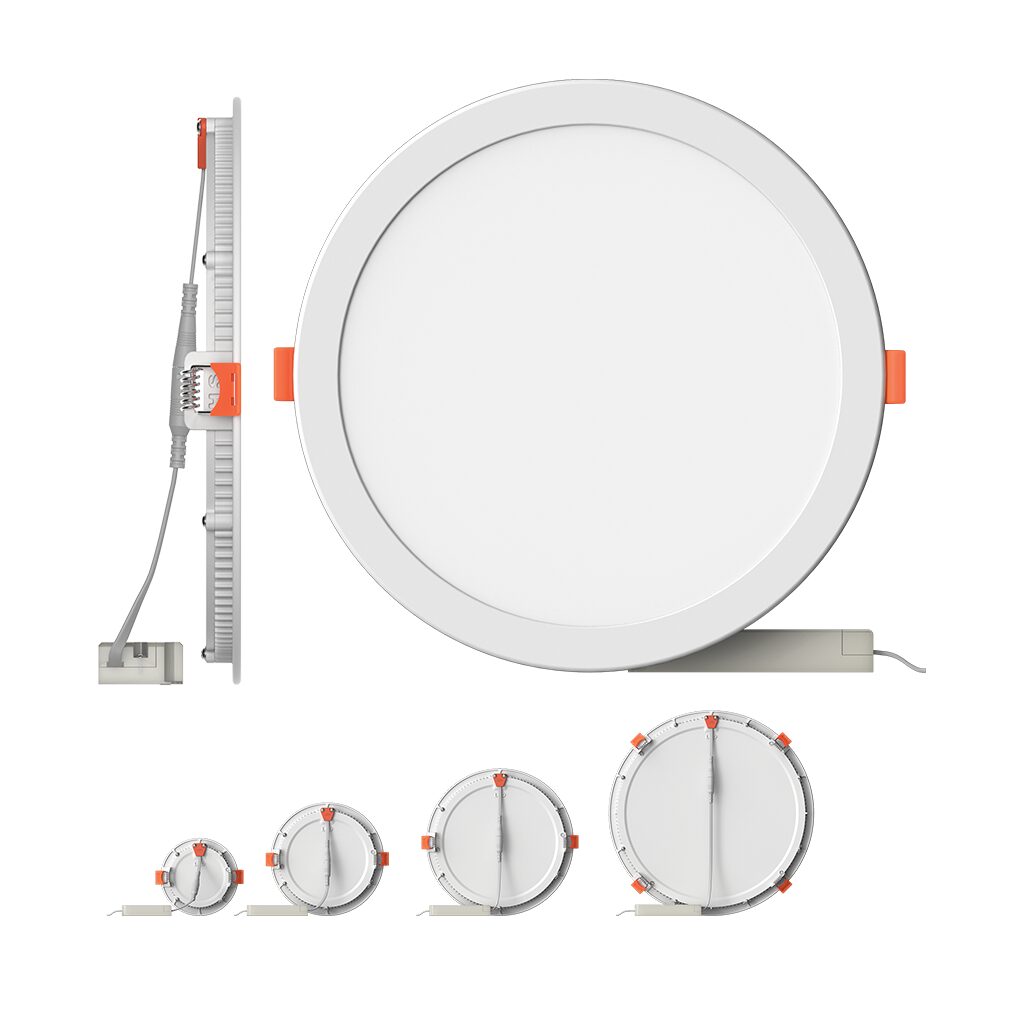
40W 600×600 Backlit LED Panel
Original price was: RM 199.00.Current price is: RM 179.00.Last 1 products before the end of the campaign.
Aluminium Slim 27/28 Profiles – 2m
Original price was: RM 59.00.Current price is: RM 49.00.Last 1 products before the end of the campaign.
18W IP65 Slim 2ft Linear Light
Original price was: RM 59.00.Current price is: RM 49.00.Last 2 products before the end of the campaign.
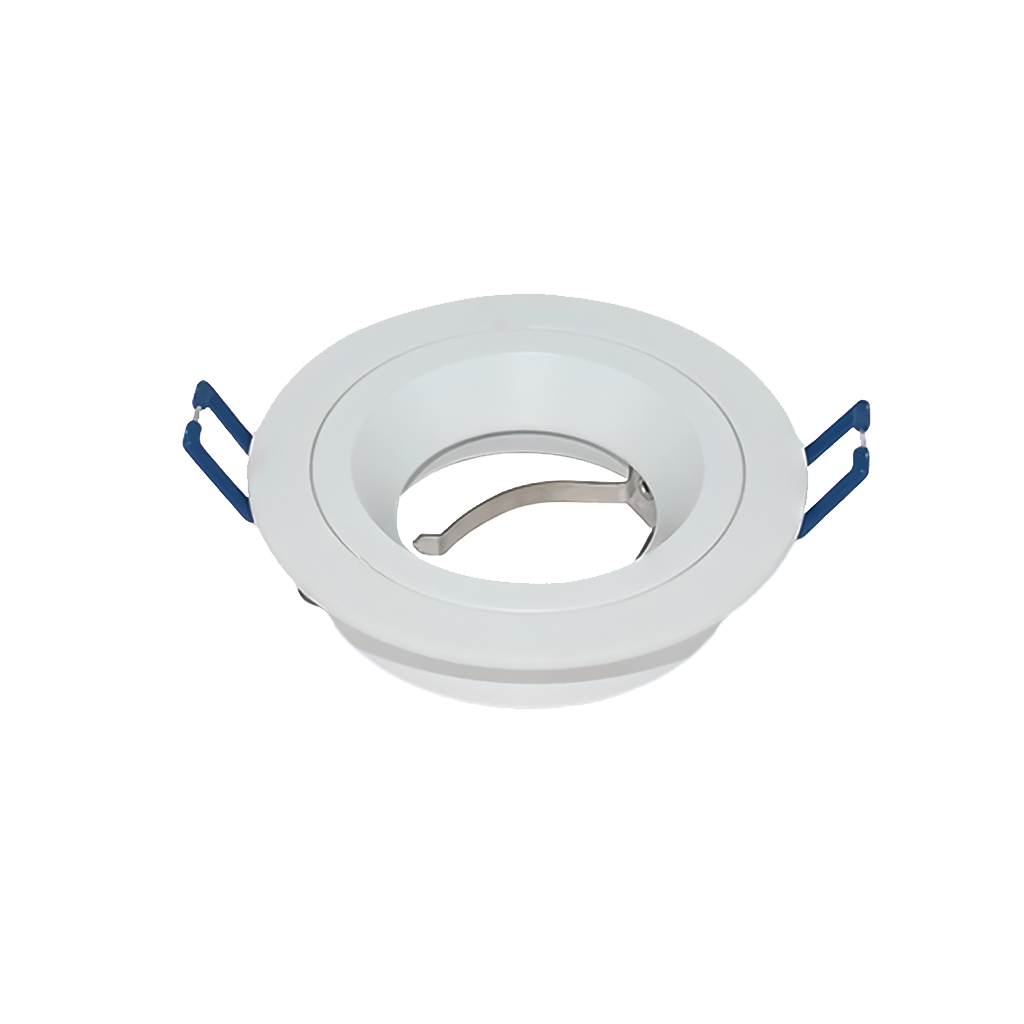
IEC GU10 Holder 036
Original price was: RM 49.00.Current price is: RM 39.00.Last 2 products before the end of the campaign.
6W A55 Filament Bulb
Original price was: RM 49.00.Current price is: RM 39.00.36W IP65 Slim 4ft Linear Light
Original price was: RM 59.00.Current price is: RM 49.00.Last 5 products before the end of the campaign.
17%
Description This product is only futon. The table is NOT included. Fabric : Cotton 100% Filling : Organic Cotton 100% Kotatsu futon quilt 205 x 205cm / 80.7″ x 80.7″ Sample Kotatsu Table 80 x 80cm / 31.5″ x 31.5″ This item page you are looking at right now is for Kotatsu Futons (Quilts) Only. Not including the kotatsu table (we do not sell kotatsu tables) Reversible – both sides can be top side Enshu Navy Nagomi Navy Color Option Tuft Binding When it’s folded // SIZE // How to choose the size of a kotatsu futon Ideally, a kotatsu futon should be about 43" to 51" (110 to 130 cm) larger in both length and width than the kotatsu tabletop. This means that the futon will be at least 21" (55 cm) larger than all four sides of the table. However, these days, kotatsu tables tend to be taller. The average height of a kotatsu is said to be about 15" (39 cm). If your kotatsu is taller than this, a larger futon may be more suitable. It is recommended that you choose a cover for your kotatsu futon that is the same or about 2″ / 5 cm larger than the kotatsu futon. *The size of the futon is indicated as the size of the side fabric (the size of the fabric before adding cotton), so the finished size after adding cotton will be about 4 inches / 10cm shorter. As you use the product, the cotton will settle down and the bulk will spread out as it settles down. *Please note that because it is made of natural materials, there may be slight variations depending on the temperature and humidity environment. *Please note that returns and exchanges due to size discrepancies will not be accepted. Manufacturer of the Fabric Enshu-Tsumugi is one of the weaving that were originated in the Edo Era and passed down to the Enshu region in Shizuoka. There were many professional weaver in that region because it was one of a three main production area of quality cotton in Japan. In 80’s, the growing shift of fabric production overseas resulted as the decline of Enshu-Tsumugi. However there are still many wavers who are devoted to the tradition and making effort for the improvement of the quality of this precious fabric with deep affection. There always have been the reliability from the customers. Enshu-Tsumugi’s specialty is “The warmth of craftsmen”. From spinning to weaving, all processes need manual works by the skilled craftsmen. It’s widely used for general garment like kimono and bags and delight our daily life. Among Enshu Tsumugi, of which the number of producers is decreasing year by year, the fabric for our item is produced by Shinchi Orimono. Their single loom weaves only about 50 meters per day, depending on the weaving design. This is because the weaving speed is purposely kept at about one-half the normal speed to prevent the fabric from being overstretched. Thanks to this, the fabric retains its charming soft texture. Because yarn-dyed yarns of various thicknesses are used, the expression of the weave is very three-dimensional and has a rich depth. Its shading gives it a unique beauty. Fine patterns are woven as if by magic, which is the result of meticulous calculation. The blueprints of some designs exist only in the mind of a artisan who has been working with the craft for many years. Their fabrics frequently appear in the collections of foreign brands as well as in the traditional Japanese wear industry. Organic Cotton Filling Raw Cotton Saucing Location We directly import cotton from the Murata Group in Gujarat, India's largest cotton-producing region. We use non-genetically modified, native varieties of cotton. In the clothing industry, long-fiber cotton, which is more comfortable to wear as clothing, is preferred and is being bred, but the cotton needed for futons is a native species. The characteristic of this cotton is its fiber thickness, which provides strong support, making it an ideal variety for use in mattresses. It is certified by GOTS (Global Organic Textile Standard), one of the world’s most reliable organic certifications. GOTS certification is not only about ensuring that the raw fibers are organic; it also guarantees that all processes—from harvesting, processing, manufacturing, to distribution—are conducted in environmentally and socially responsible ways, with measures in place to prevent contamination or mixing with non-organic products. Below are the initiatives of Murata Group’s contract farmers, who comply with GOTS regulations and receive advice from CB: • Soil Management: Using only organic fertilizers and crop rotation and avoiding synthetic inputs. • Pest and Weed Management: Implementing IPM practices; using mechanical and biological methods. • Seeds and Planting Material: Using only organic, non-GMO seeds. • Water Management: Conserving water, ensuring clean irrigation sources and storage and reuse of water in Monsoons • Post-Harvest Handling: Preventing contamination with non-organic products and practices • Environmental Sustainability: Reducing environmental impact and promoting sustainable land use. • Social Responsibility: Following fair labor practices and ensuring worker well-being. • Regular Inspections: Complying with regular inspections by the certifying body. The cotton that has been debris removed and carded into sheets at our factory. Submit your reviewName: Email (Your email address will not be published.): Review Title: Rating: 12345Review: Check this box to confirm you are human.Submit CancelCreate your own reviewFuton TokyoAverage rating: 0 reviews