Search Product
Our Categories
Your Cart

BEST SELLER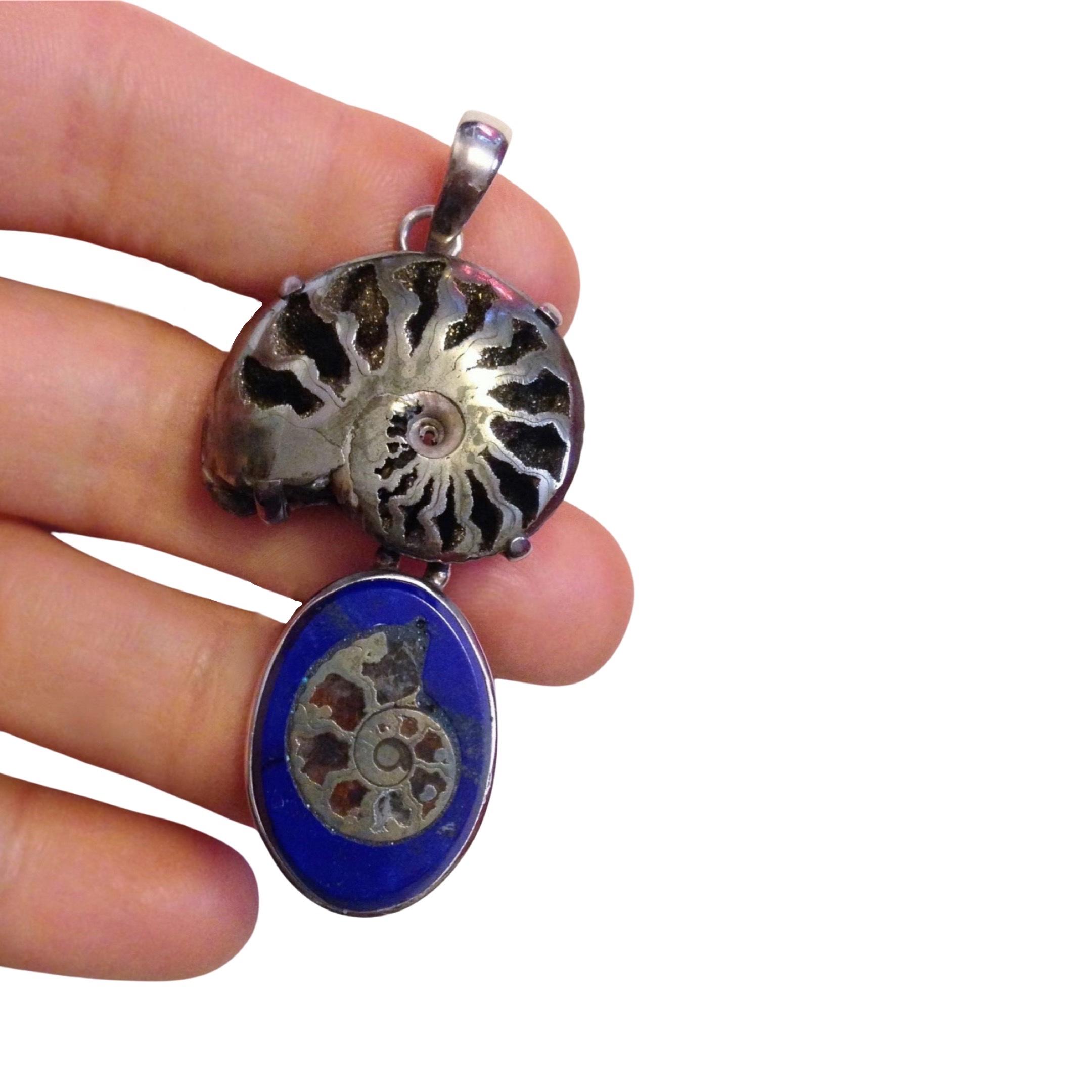
Pyritized Fossil Ammonites and Lapis Lazuli Pendant
Original price was: RM 59.00.RM 49.00Current price is: RM 49.00.Last 4 products before the end of the campaign.
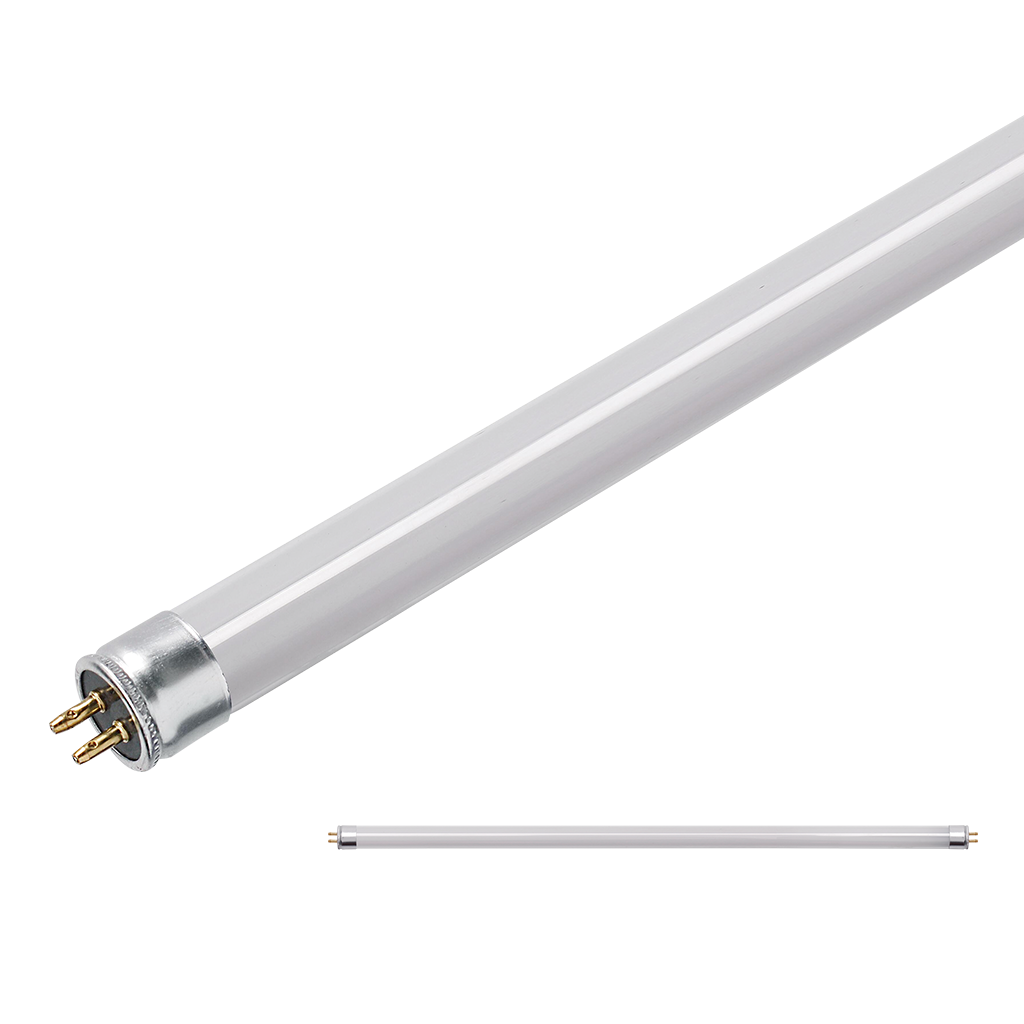
18W 4ft T8 Combat LED Glass Tube
Original price was: RM 199.00.Current price is: RM 179.00.Last 1 products before the end of the campaign.
60W 600×1200 Backlit LED Panel
Original price was: RM 59.00.Current price is: RM 49.00.Last 1 products before the end of the campaign.
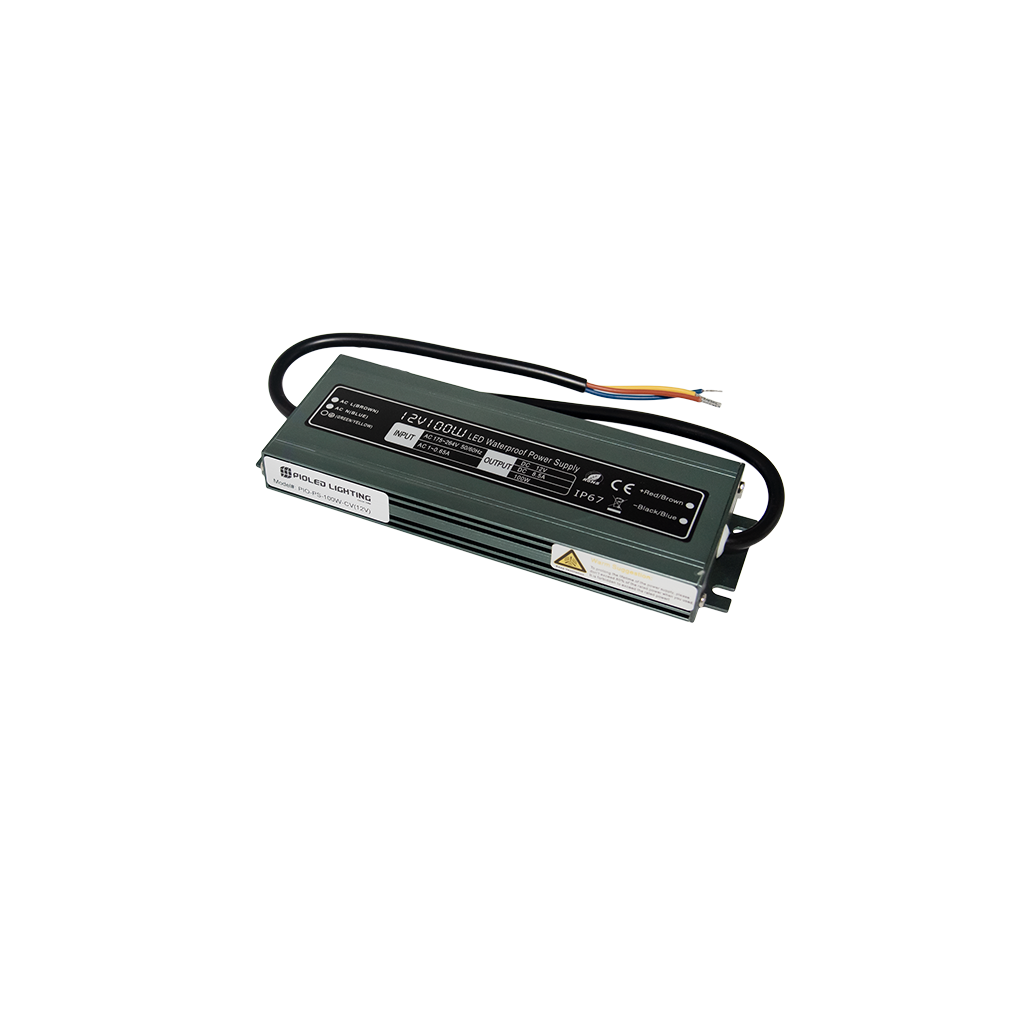
60W LED 12V IP20 CV Driver
Original price was: RM 59.00.Current price is: RM 49.00.Last 2 products before the end of the campaign.
CNC Aluminium Downlight Fixture Anti Glare Fixed White – AW828
Original price was: RM 49.00.Current price is: RM 39.00.Last 2 products before the end of the campaign.
RGB Controller 12V/24V with remote – 10M
Original price was: RM 49.00.Current price is: RM 39.00.30W LED 24V IP20 CV Driver
Original price was: RM 59.00.Current price is: RM 49.00.Last 5 products before the end of the campaign.
17%
Description For the jewelry, fossil, and rock lover! This amazing pyritized ammonite from Russia sits atop a lapis lazuli cabochon inlaid with a pyritized ammonite from France! What a captivating combo! Set in a sterling silver prong/bezel setting. From our very own Geoclassics jewelry line! Dimensions: (2.3″ long-with bail) x (1.1″ wide) x (.29″ thick) Weight: .5 ounces/14.3 grams AMMONITES: The TOP genus is Rondiceras, a 160 million year old (Jurassic age) ammonite from Mikhaylov, Ryazan Oblast, Russia. The Bottom ammonite (inlaid in lapis) is also Jurassic in age, but slightly older at 170 million! We are unsure of the genus, but we do know that it’s from Ardèche, France. Some 350 million years ago, these relatives of the modern chambered nautilus shell flourished in warm, shallow seas. When great droughts led to their extinction about 65 million years ago, they were buried by layers of sediment from land erosions. It took many years for the shells of these ammonites to fossilize, a process by which the original shell material was replaced by the minerals in the sediment that buried them. While some of the earliest ammonites resembled long, straight chambered cones, most of them were coiled discs with complex patterns of ridges and suture lines. The suture pattern, important to species identification, shows where the inner chamber walls meet the outer shell. The animal that once lived in this shell resided near the entrance in the largest chamber. The name lapis lazuli comes from lazhuward, the Persian word for “blue,” and lapis, meaning “rock.” This beautiful royal blue stone, with a hardness of 5 to 6, is a sodium aluminum silicate which often has inclusions of pyrite and white calcite. Ancient Egyptians used powdered lapis for medicine and eye shadow. It was also made into jewelry and carved into scarabs for tombs and burial chambers. Catherine the Great decorated a room in her palace with lapis walls, fireplaces, doors, and mirror frames. Lapis is believed to bring inner peace and freedom from negative thoughts. It can help one learn more effectively and is excellent for enhancing memory. The finest lapis lazuli deposits come from the West Hindu Kush mountains of Afghanistan, and it is also abundant in Chile.