Search Product
Our Categories
Your Cart

BEST SELLER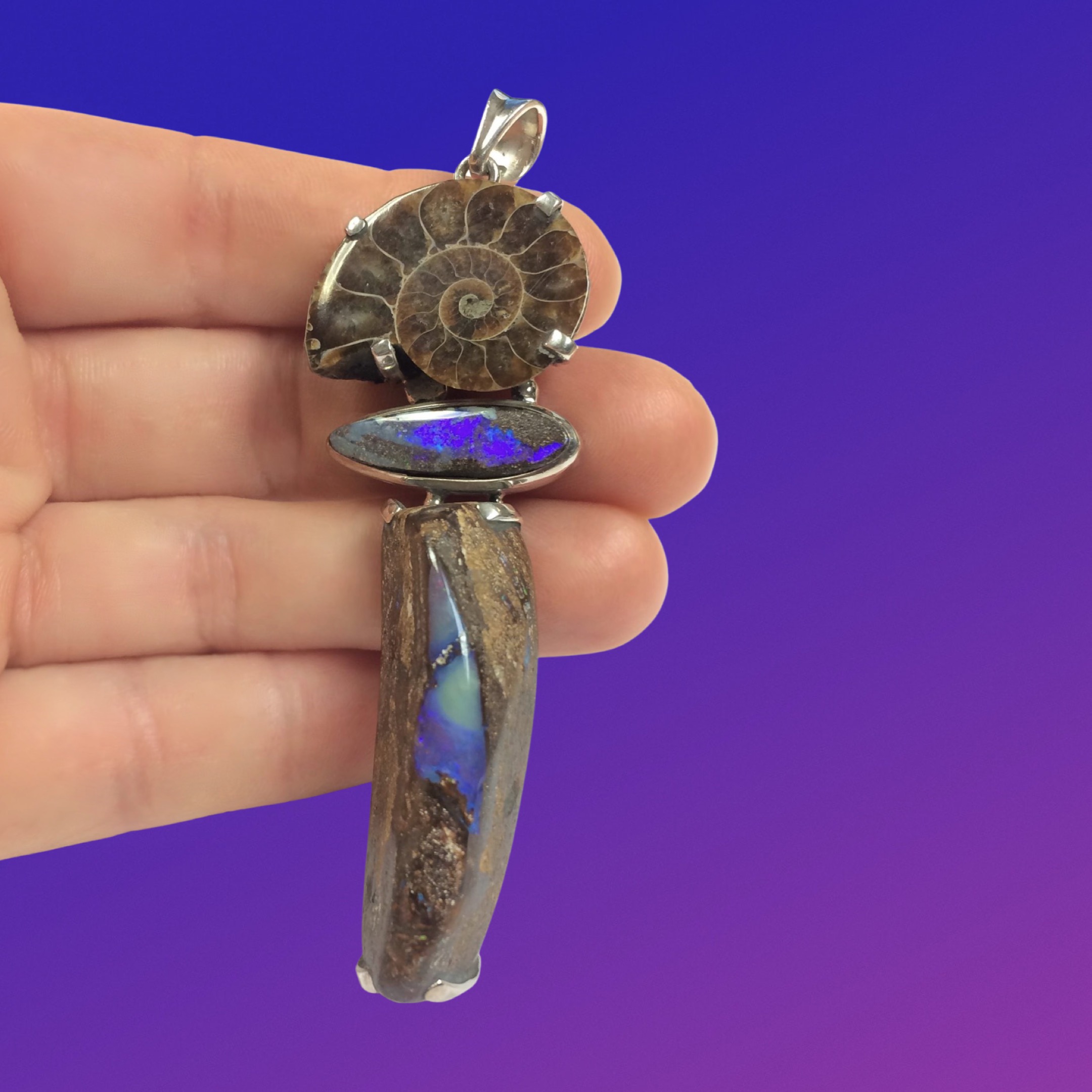
Fossil Ammonite and Boulder Opal Pendant
Original price was: RM 59.00.RM 49.00Current price is: RM 49.00.Last 4 products before the end of the campaign.
60W 600×1200 Backlit LED Panel
Original price was: RM 199.00.Current price is: RM 179.00.Last 1 products before the end of the campaign.
RGB Controller 12V/24V with remote – 10M
Original price was: RM 59.00.Current price is: RM 49.00.Last 1 products before the end of the campaign.
6W A55 Filament Bulb
Original price was: RM 59.00.Current price is: RM 49.00.Last 2 products before the end of the campaign.
18W LED Retrofit Module
Original price was: RM 49.00.Current price is: RM 39.00.Last 2 products before the end of the campaign.
100W LED 12V IP67 CV Driver
Original price was: RM 49.00.Current price is: RM 39.00.10W Nano IP65 Floodlight DC12V
Original price was: RM 59.00.Current price is: RM 49.00.Last 5 products before the end of the campaign.
Description A fossilized split ammonite half from Madagascar and two Australian boulder opal purple pretties combine to compose this wonderful, one of a kind, sterling silver pendant. From our very own Geoclassics jewelry line! Dimensions: (3.16″ long-with bail) x (.98″ wide) x (.46″ thick) Weight: .66 ounces/18.6 grams Some 350 million years ago, these relatives of the modern chambered nautilus shell flourished in warm, shallow seas. When great droughts led to their extinction about 65 million years ago, they were buried by layers of sediment from land erosions. It took many years for the shells of these ammonites to fossilize, a process by which the original shell material was replaced by the minerals in the sediment that buried them. While some of the earliest ammonites resembled long, straight chambered cones, most of them were coiled discs with complex patterns of ridges and suture lines. The suture pattern, important to species identification, shows where the inner chamber walls meet the outer shell. The animal that once lived in this shell resided near the entrance in the largest chamber. Genus/Species: Desmoceras sp. Age: Cretaceous/Albian (approximately 110 million years) Location: Madagascar OPAL is a hydrated silica with a hardness of 5.5 to 6.5. It comes in a variety of forms, one of the most popular today being “boulder opal”, which forms in an ironstone matrix. Opal forms when silica-rich water fills the cracks and voids of rocks, clay, and fossils. Though opal has been the subject of historical misconception and superstition, it has an even longer history of being both exalted and coveted for its beauty. It was the ancient Romans who provided the first real market for opals, raising the opal to gemstone status around 100 B.C. Today, opal is said to encourage optimism, confidence, playfulness and curiosity. While it can be found in many different locations such as the US, Mexico, Ethiopia, Brazil, Guatemala, and Japan, it is primarily found in Australia.