Search Product
Our Categories
Your Cart

BEST SELLER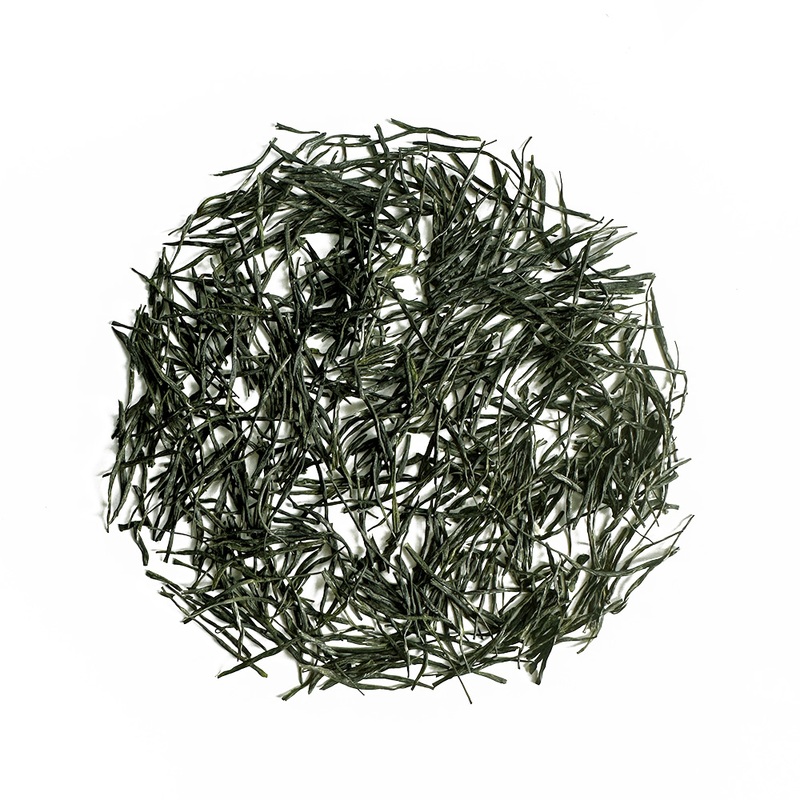
Enshi Yulu (Jade Dew) Green Tea 70 gram (2.5 oz)
Original price was: RM 59.00.RM 49.00Current price is: RM 49.00.Last 4 products before the end of the campaign.
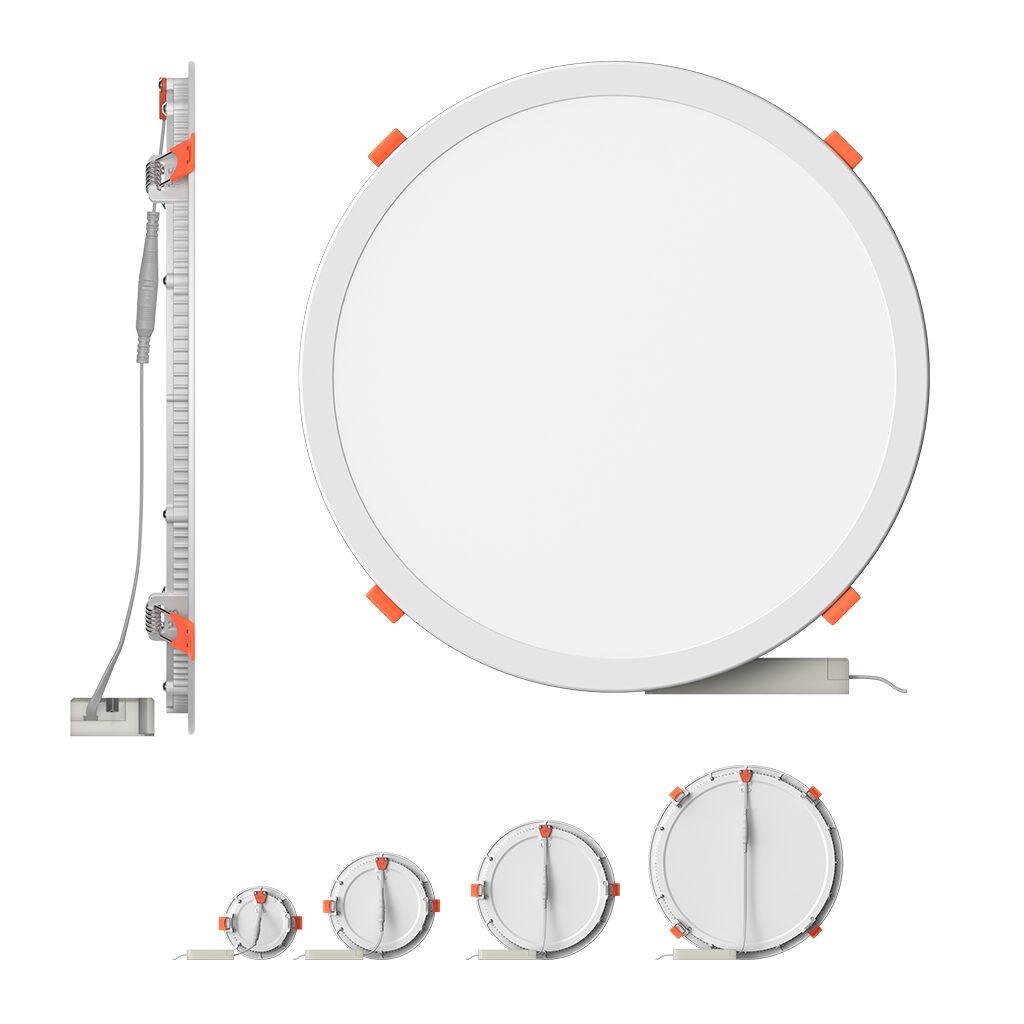
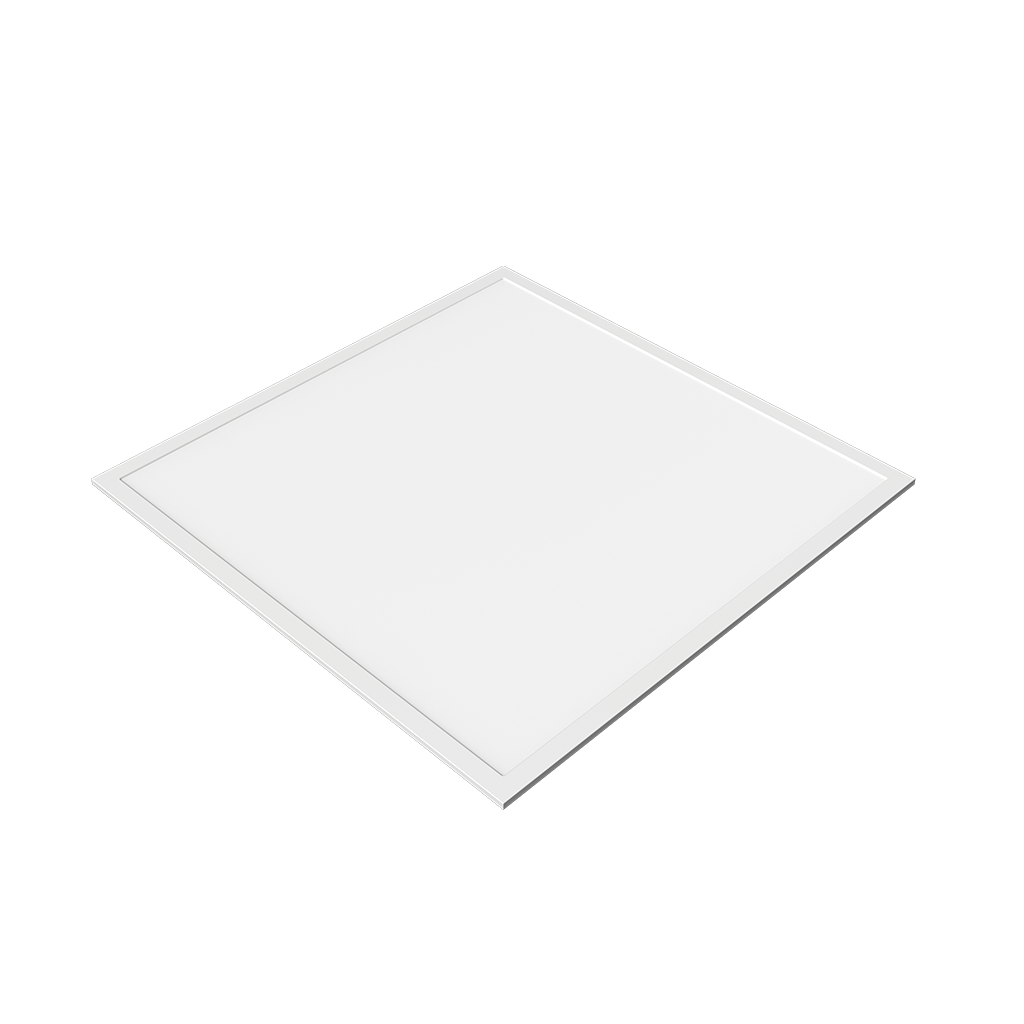
12W PMMA Recessed Round Panel
Original price was: RM 199.00.Current price is: RM 179.00.Last 1 products before the end of the campaign.
18W LED 12V IP20 CV Driver
Original price was: RM 59.00.Current price is: RM 49.00.Last 1 products before the end of the campaign.
10W Nano Sensor IP65 Floodlight
Original price was: RM 59.00.Current price is: RM 49.00.Last 2 products before the end of the campaign.
18W 4ft T5 Combat LED Glass Tube
Original price was: RM 49.00.Current price is: RM 39.00.Last 2 products before the end of the campaign.
10W Nano IP65 Floodlight DC12V
Original price was: RM 49.00.Current price is: RM 39.00.10W 2ft T8 Combat LED Glass Tube
Original price was: RM 59.00.Current price is: RM 49.00.Last 5 products before the end of the campaign.
17%
Details The dry leaves of our Enshi Yulu () are emerald green, long and slightly twisted. They steep a limeade green liquor with a smooth and thick texture. The intense aroma is sweet and savoury with hints of seaweed, nuts and beans.rFrom a leaf quality perspective this is definitely a premium tea. Yet, given the affordable price tag, and the fact the leaves can be re-steeped so many times, this tea may become your next daily drink!rFor those who prefer more intense green teas, Enshi Yulu is an irresistible choice. History of Enshi Yulu The first ever ‘steamed’ green teas, such as Enshi Yulu, were produced during the Tang Dynasty(618-907) in China. While the Japanese loved it and continued to improve the production method, steamed tea got out of fashion after the Tang. Today, virtually all Japanese green teas are produced through steaming. In contrast, the pan-frying method is still the standard for green teas in China. Thus, from a historical perspective, Enshi Yulu can be regarded as an important tea, and we’re glad that this tea is making its comeback since the end of the 20th century. Enshi Yulu vs Japanese green tea Though the production of many Japanese green teas and Enshi Yulu both involve steaming, the taste is still quite different. Because Enshi Yulu is relatively lightly steamed, the effect of steaming on the end result is more nuanced compared to Japanese sencha. Enshi Yulu Origin As the name already reveals this tea originates from Enshi, located in the Wuling Mountains in southwestern Hubei Province. With its fertile soil, lush vegetation, and picture-perfect four seasons, Enshi offers a paradise-like climate for tea cultivation: no harsh winters or scorching summers. Experience an average annual temperature around 17C, a lengthy frost-free period, and abundant rainfall.