Search Product
Our Categories
Your Cart

BEST SELLER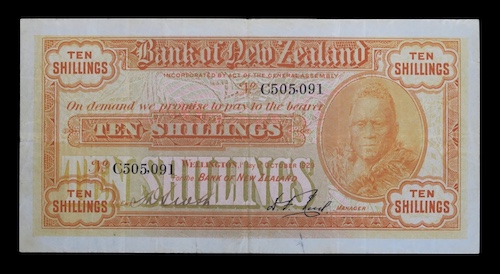
Bank of New Zealand, 1929 Ten Shillings. Sold.
Original price was: RM 59.00.RM 49.00Current price is: RM 49.00.Last 4 products before the end of the campaign.
18W IP65 Slim 2ft Linear Light
Original price was: RM 199.00.Current price is: RM 179.00.Last 1 products before the end of the campaign.
6W PMMA Recessed Round Panel
Original price was: RM 59.00.Current price is: RM 49.00.Last 1 products before the end of the campaign.
36W IP65 Slim 4ft Linear Light
Original price was: RM 59.00.Current price is: RM 49.00.Last 2 products before the end of the campaign.
3W G9 220V Capsule Lamp
Original price was: RM 49.00.Current price is: RM 39.00.Last 2 products before the end of the campaign.
60W 600×1200 Backlit LED Panel
Original price was: RM 49.00.Current price is: RM 39.00.CNC Aluminium Downlight Fixture Anti Glare Fixed Silver – AS828
Original price was: RM 59.00.Current price is: RM 49.00.Last 5 products before the end of the campaign.
17%
Description Bank of New Zealand. Ten Shillings 1st October 1929. (without 1/2 in corners). Manager's signature: Reid. Uniform Issue, second design. Obverse: Maori King Two Maoris at left, arms at centre, two kiwis at right with palm tree and volcano at right. Reads: BANK OF NEW ZEALAND INCORPORATED BY ACT OF THE GENERAL ASSEMBLY ON DEMAND WE PROMISE TO PAY THE BEARER TEN SHILLINGS WELLINGTON FOR THE BANK OF NEW ZEALAND Reverse: Two Maoris at left, arms at centre, two kiwis at right with palm tree and volcano. Printer: Bradbury Wilkinson and Company. Paper: 179 x 89mm. Catalogue: Pick# S232a. Grade: VF to gVF. On 9 February 1925 all Branches of the Bank of New Zealand were notified that new notes would be issued. They were going to be "uniform in size and predominating colour with those issued, or about to be issued, by the Banks". hence they were called the Uniform Issue. SOLD.